Two Saturday mornings in February to plan a balcony or patio that grows food from spring on. Horticulturist Marcus Bell covers what decides a harvest in containers: light, container size, the mix inside, weight and water. Between sessions you sketch your own space and Marcus reviews it live, so you leave with a plan ready to plant as the weather warms.
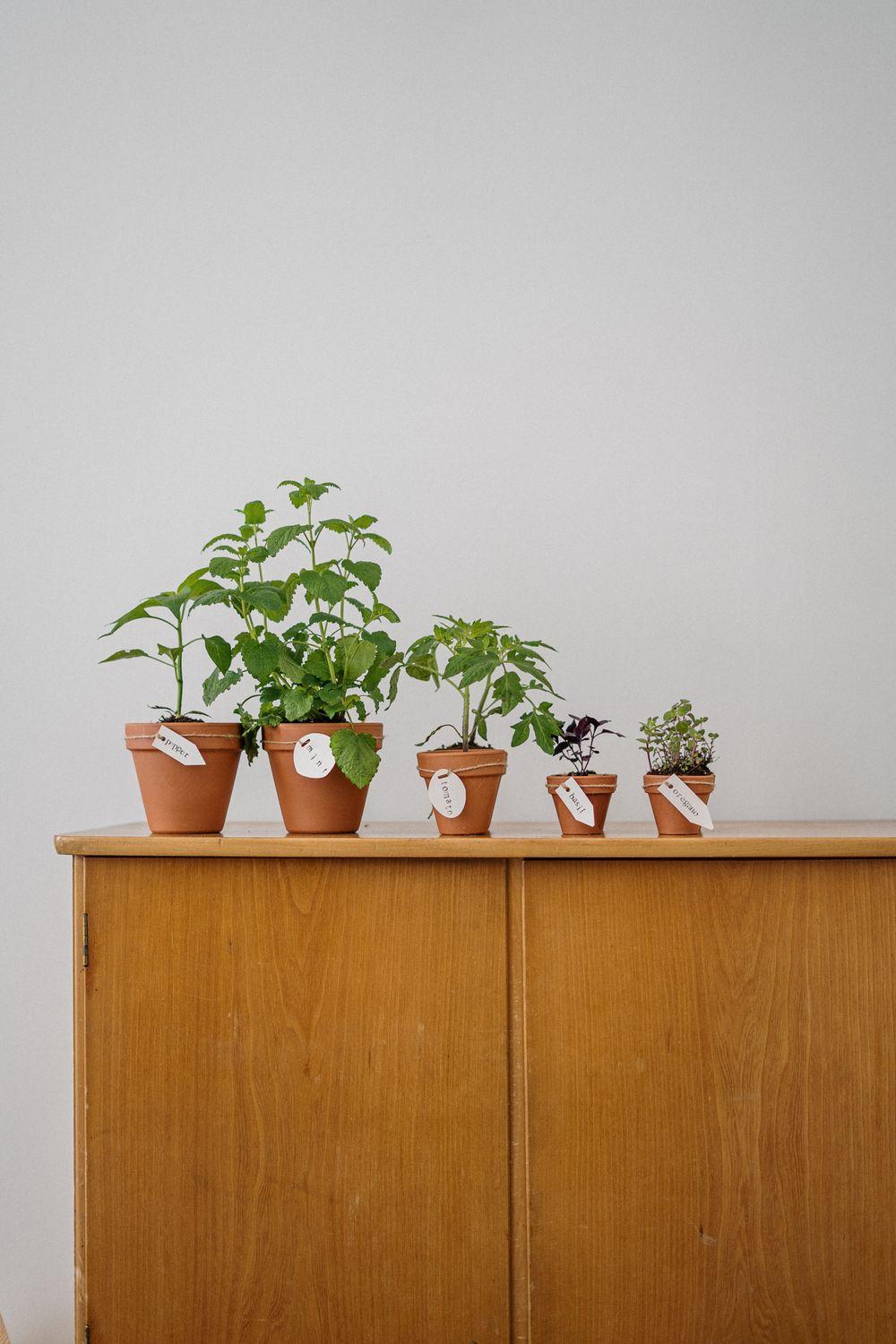
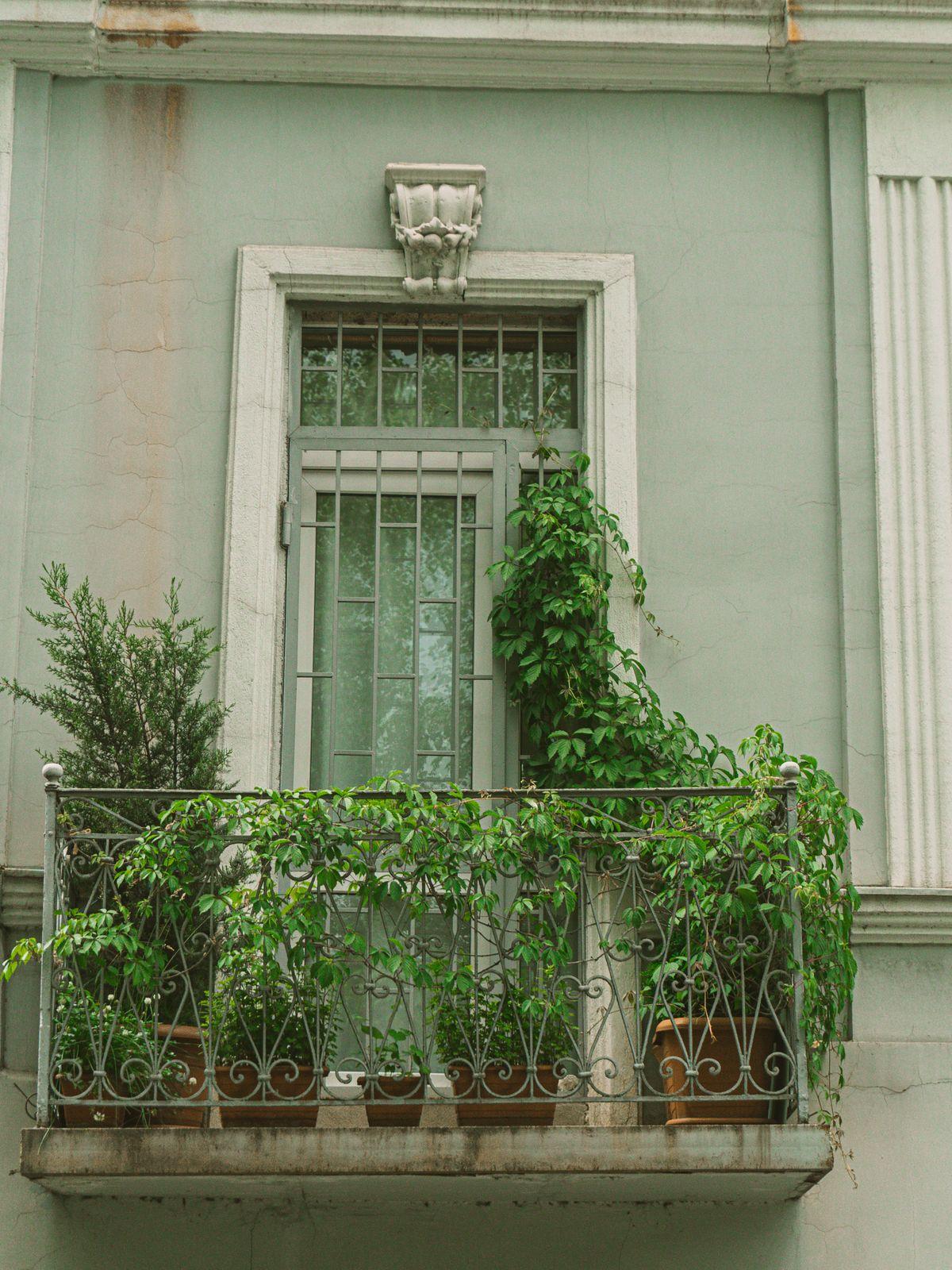
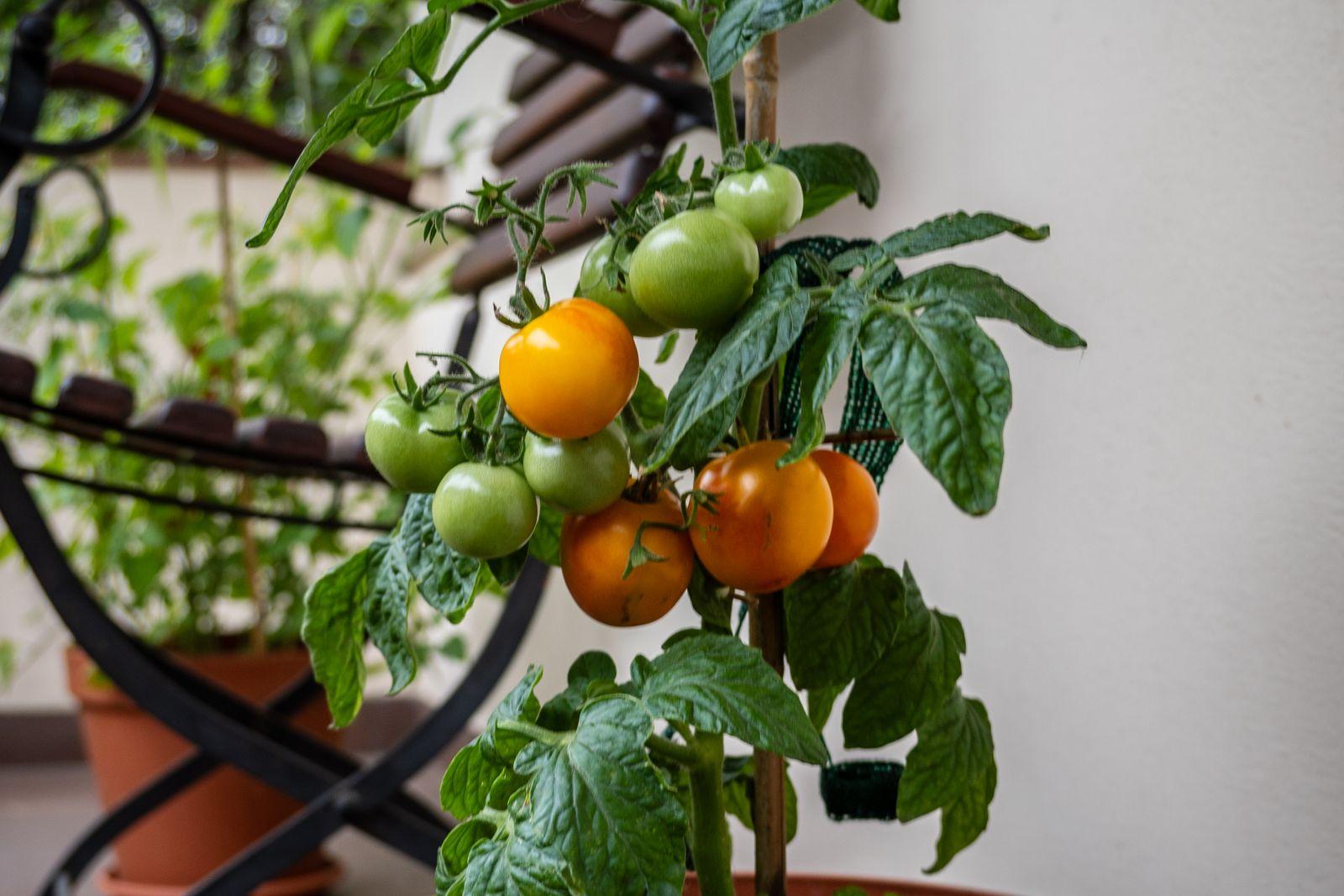
The first session reads your space: hours of direct sun, wind and weight. A wet 15-gallon planter can weigh 100 pounds or more, and US building codes typically size balconies for 40–60 pounds per square foot, people included, so where the big containers go matters. Then container sizes, from a gallon for basil to 20 gallons for an indeterminate tomato. The second session covers potting mixes and feeding, drip irrigation (on a faucet timer, or gravity-fed if you have no outdoor faucet) and a planting schedule built on your last frost date.
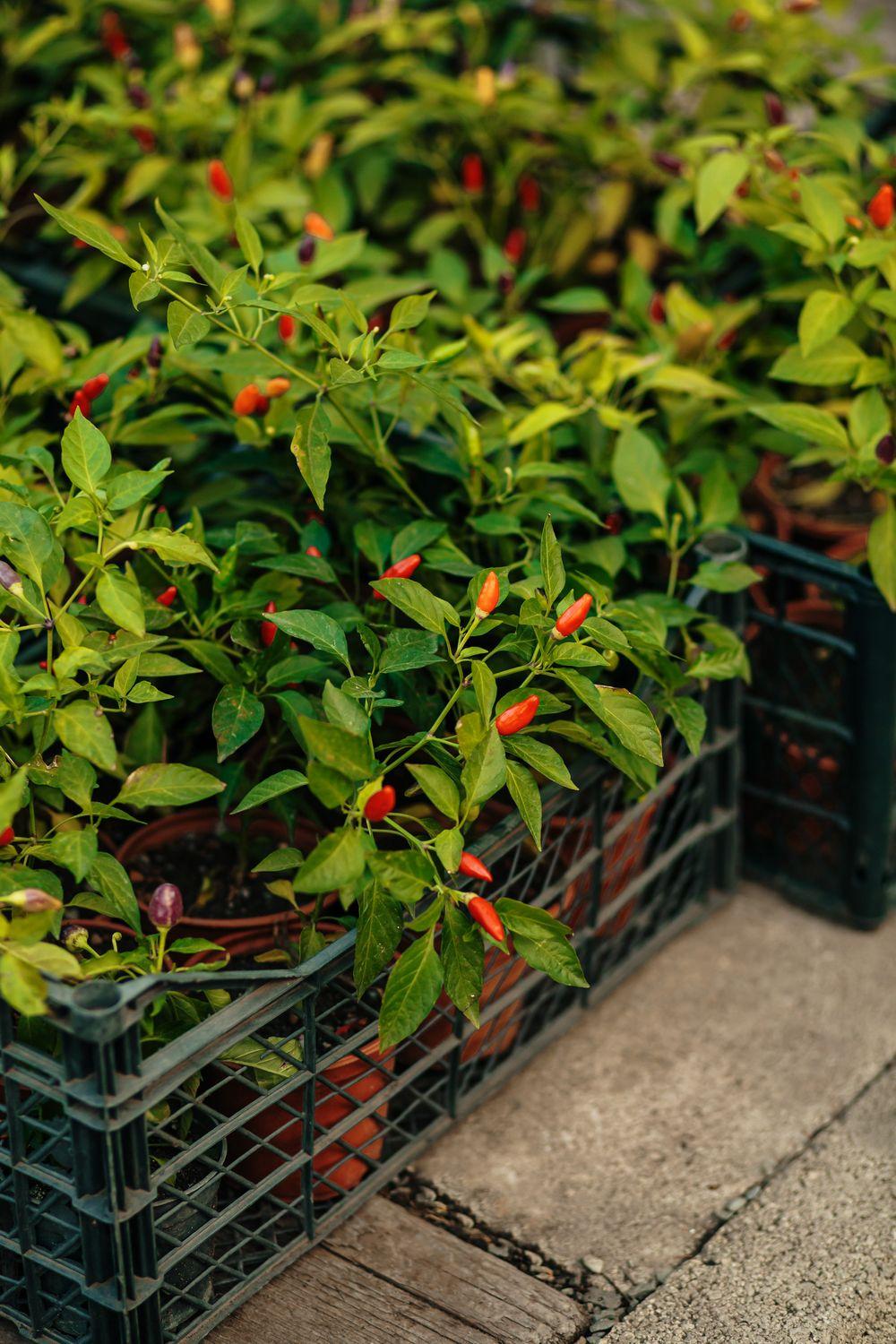
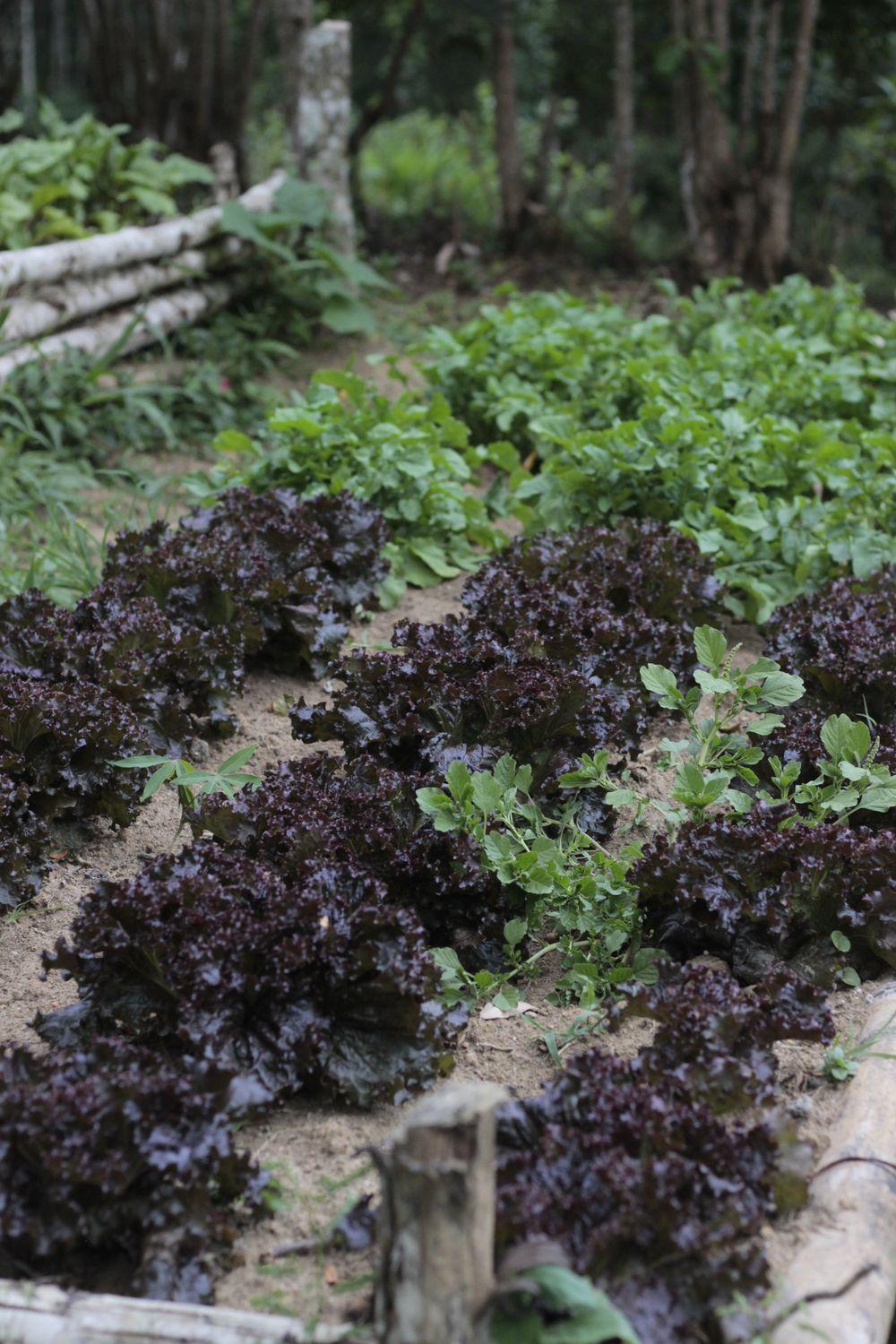
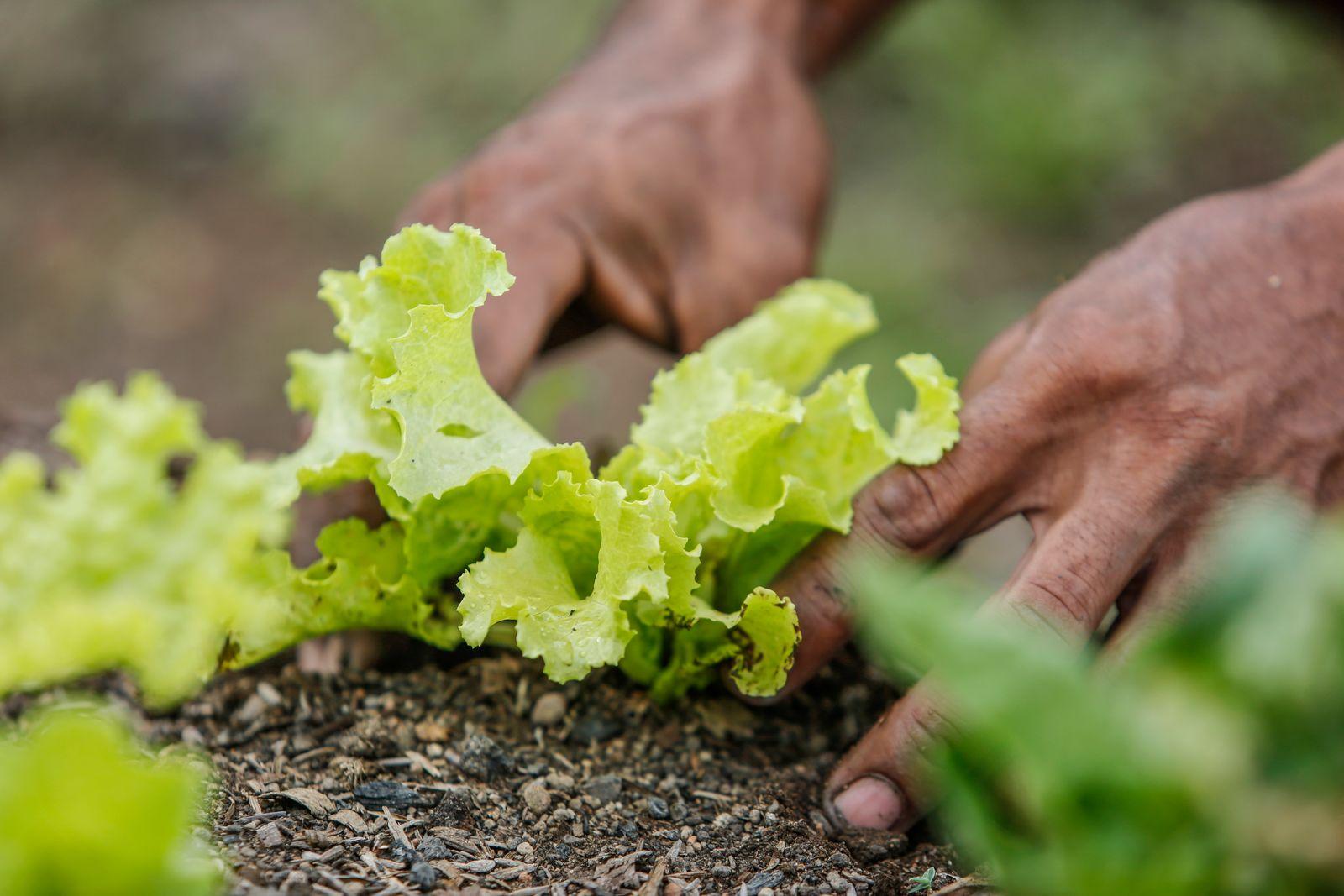
Be realistic about light. Tomatoes, peppers and cucumbers need six or more hours of direct sun; on a north-facing balcony the plan leans on lettuce, arugula, parsley, mint and chives, which grow more slowly but do produce. February is a good month to plan: it leaves time to buy containers, set up irrigation and start tomato and pepper seeds indoors six to eight weeks before your last frost.