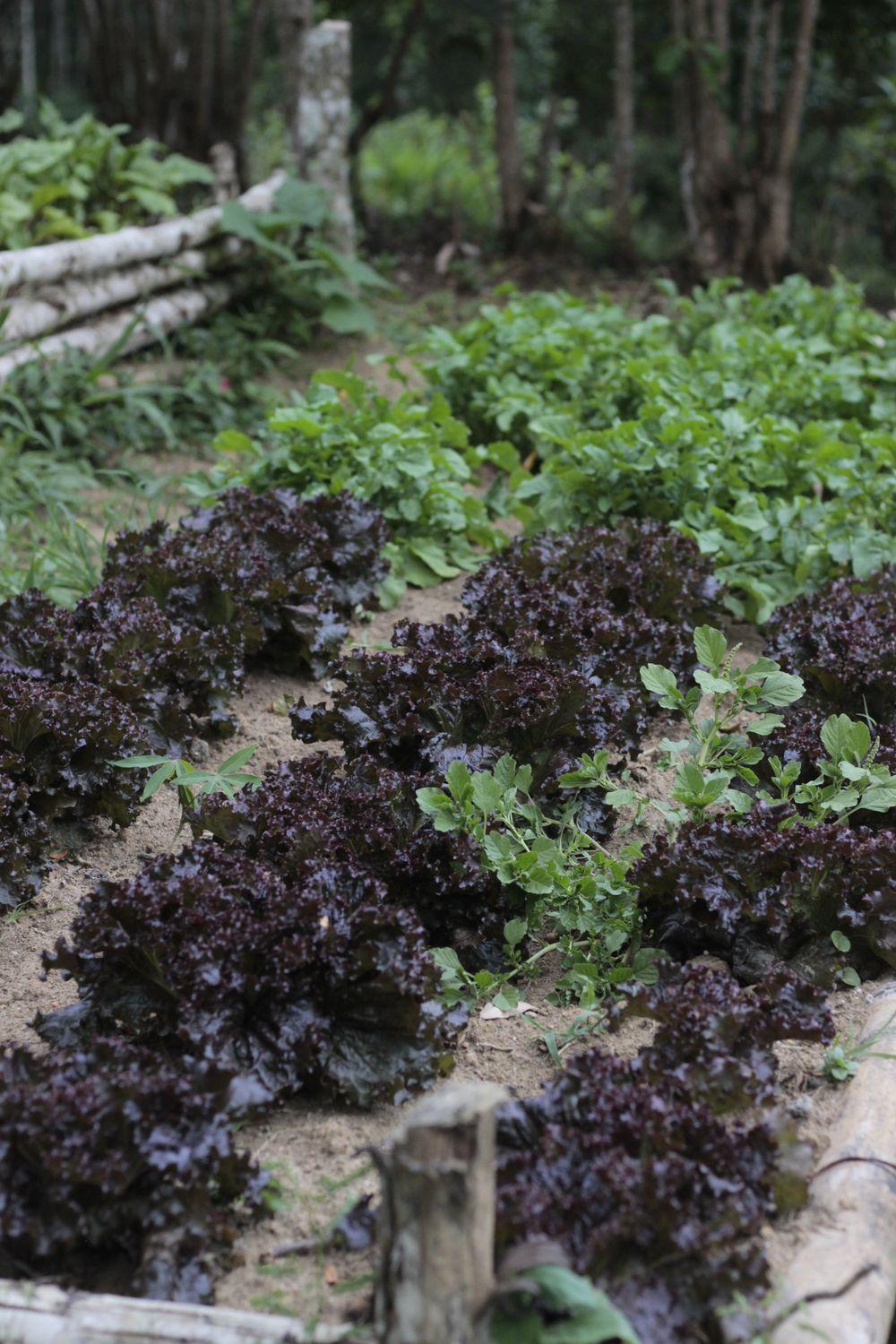
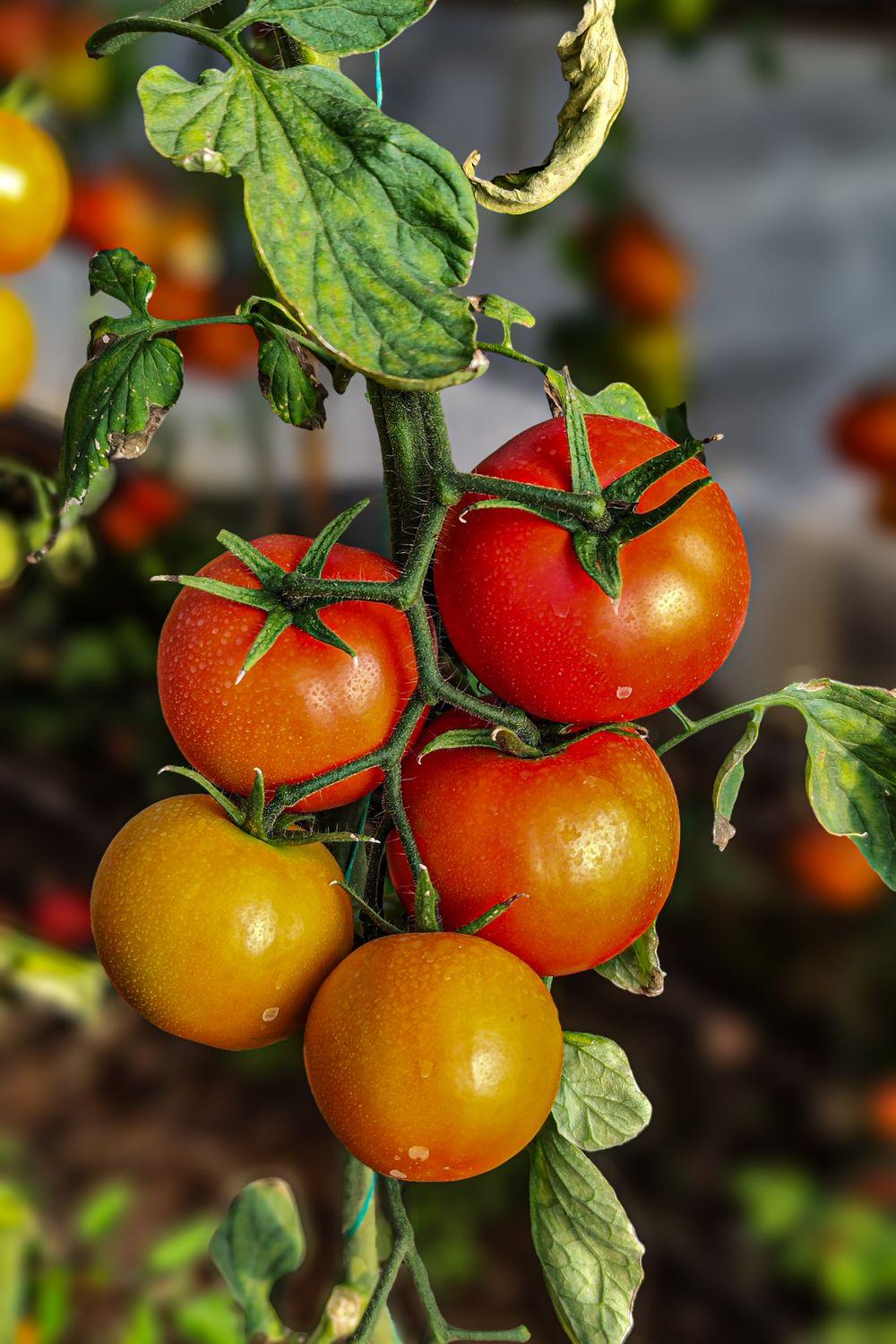
Feeding a household from the garden most of the year takes timing, a sound layout and a few habits kept every week. This masterclass teaches the whole system, from the first bed drawn on paper to the last squash cured for winter, filmed over a full year in Hannah Reyes’s garden in Southern California (zone 10a) and a family plot in Pennsylvania (zone 6b).
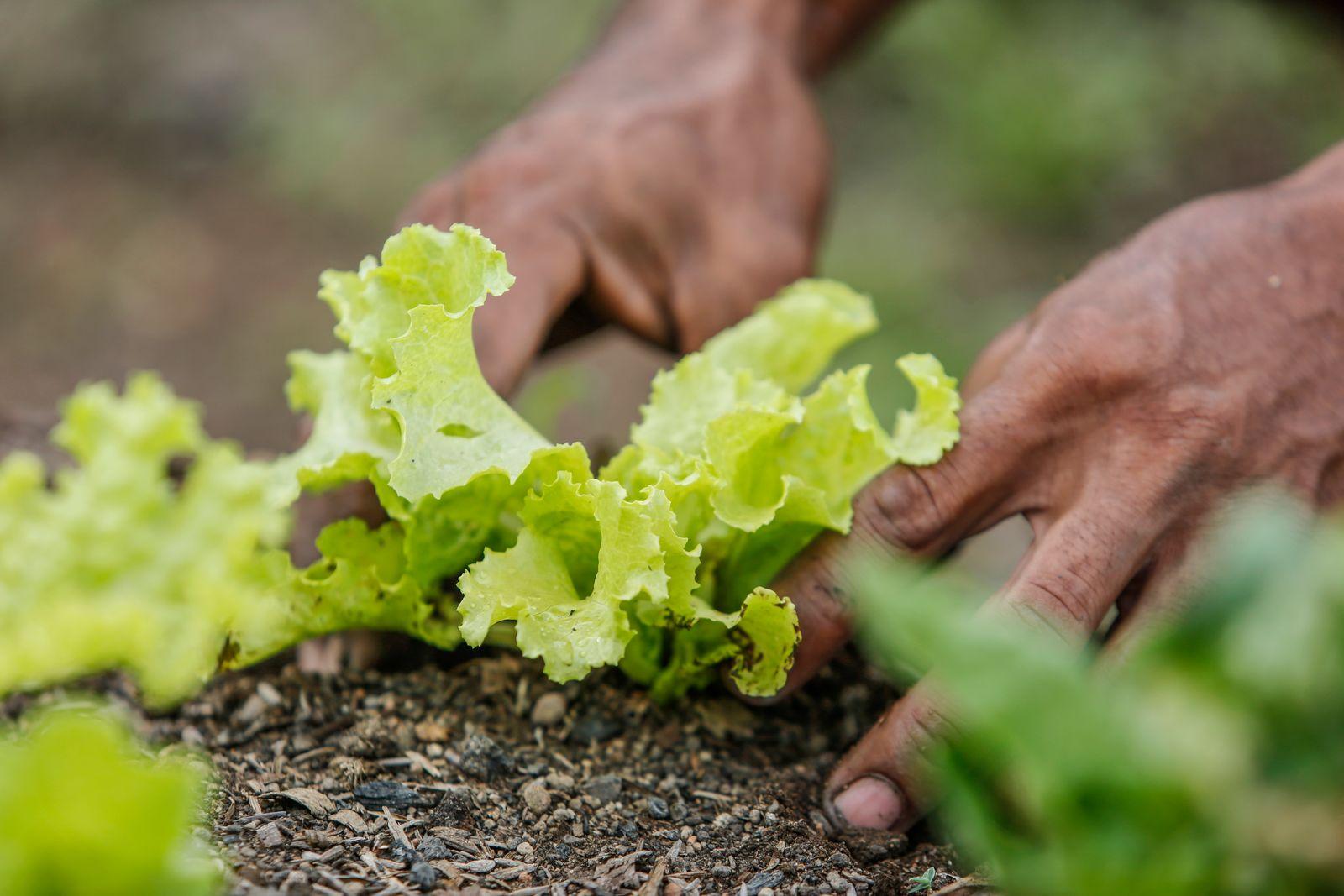
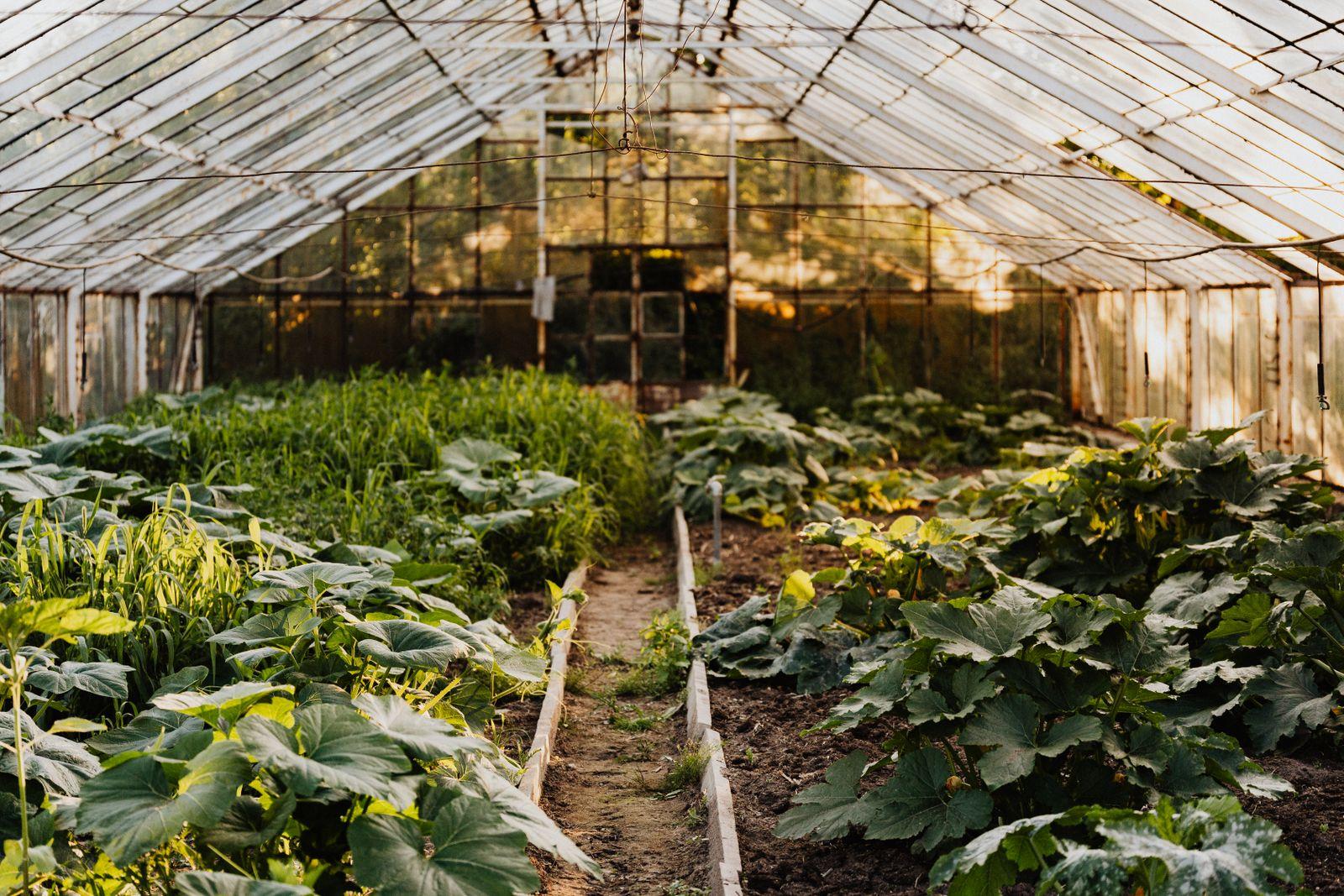
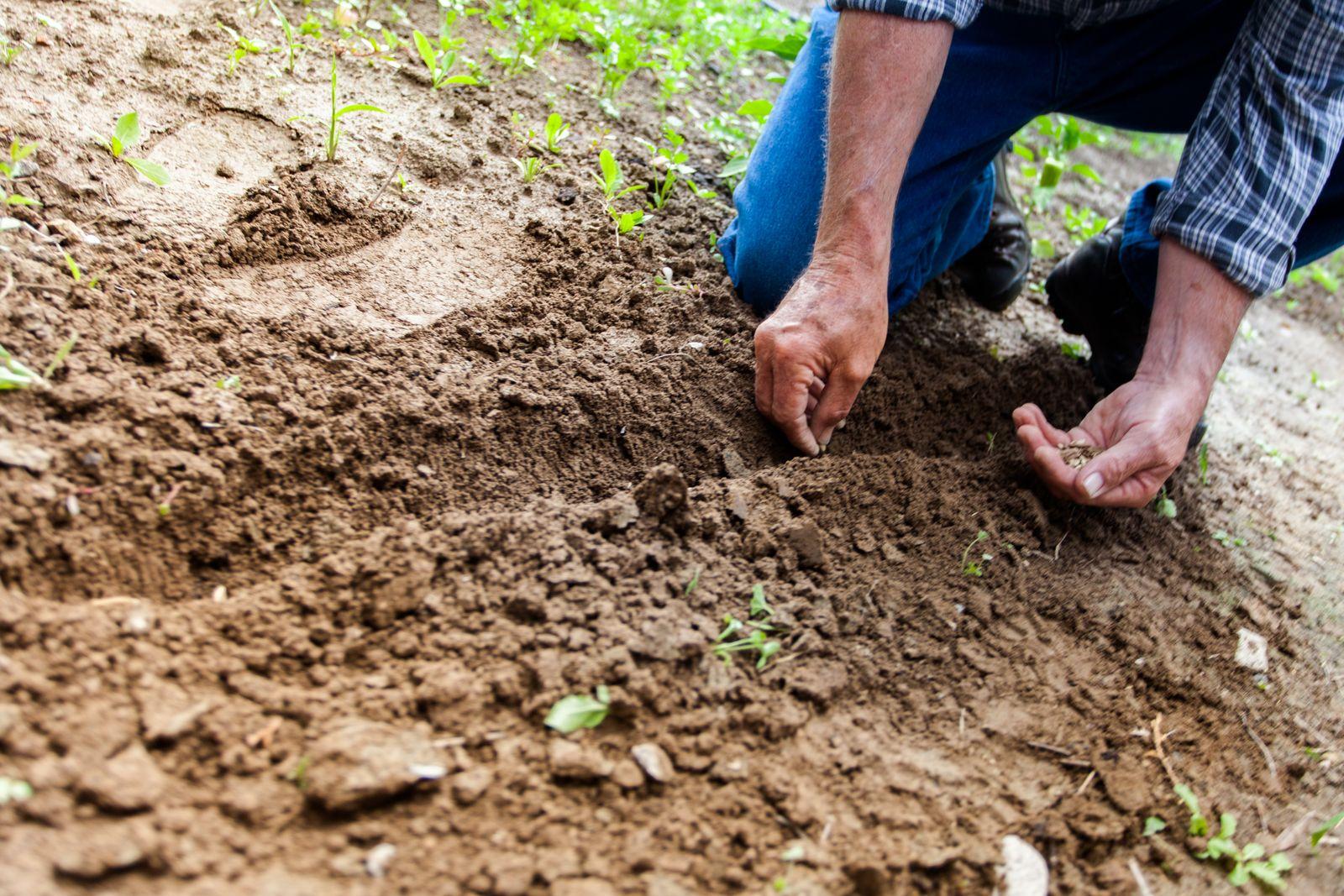
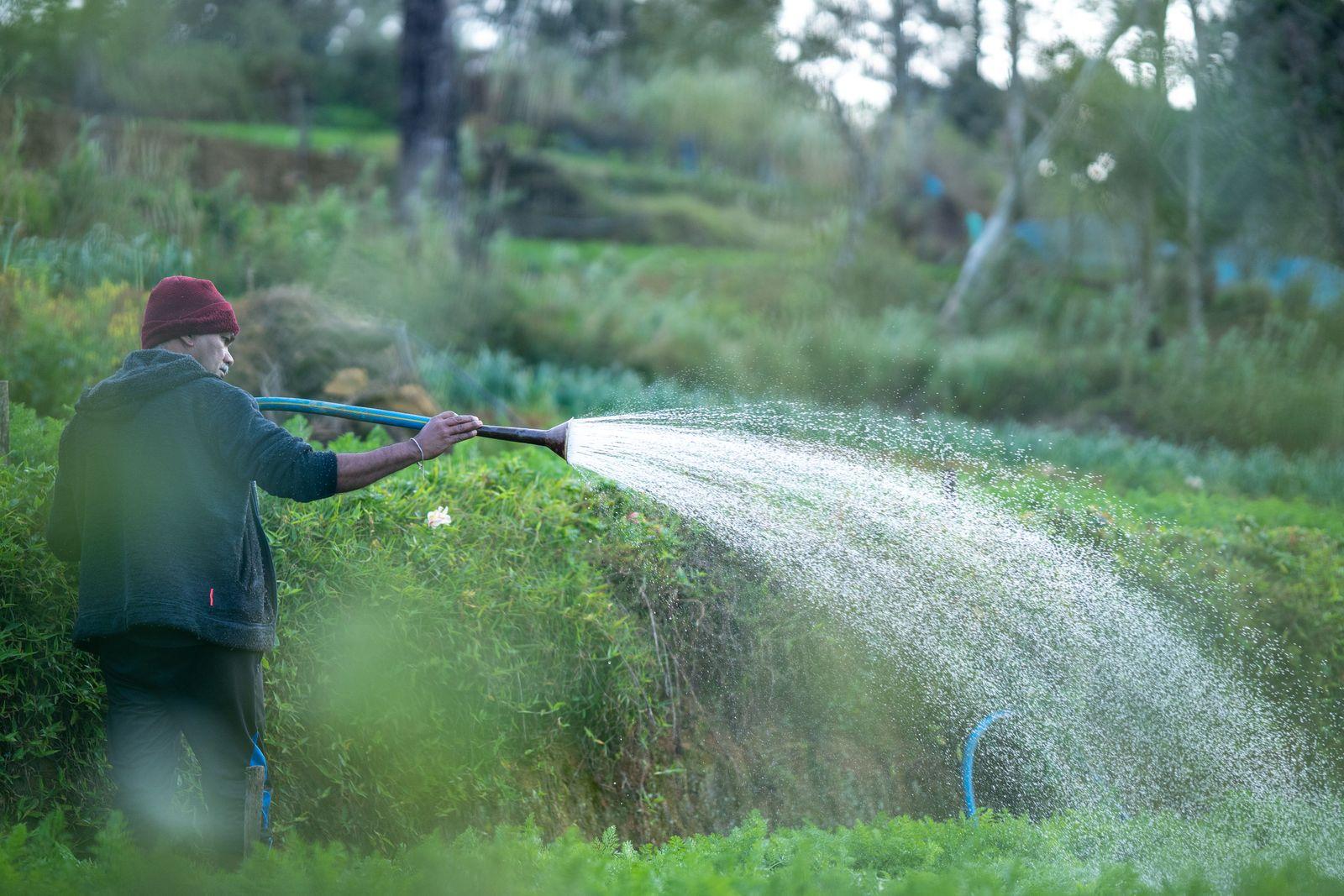
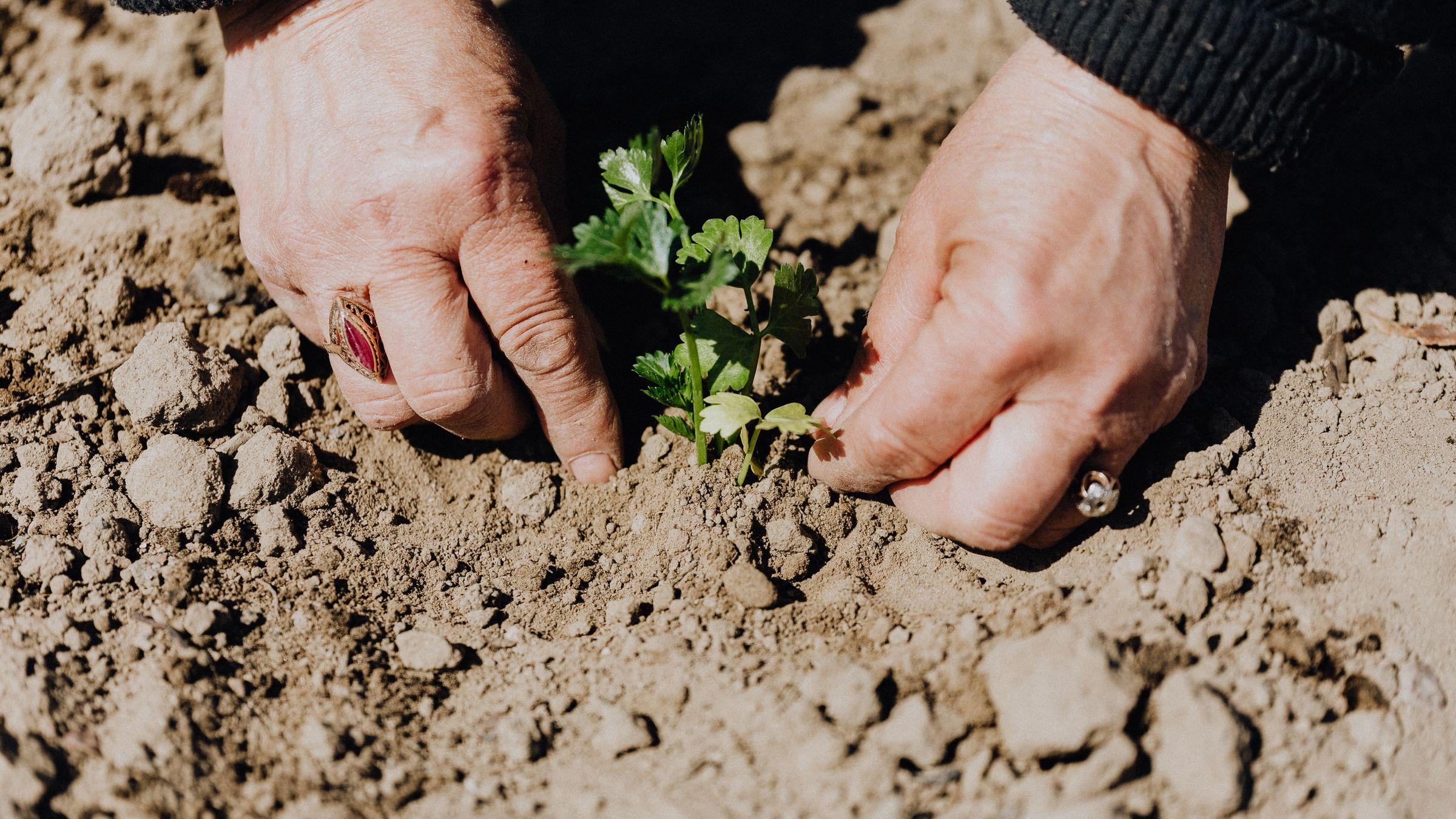
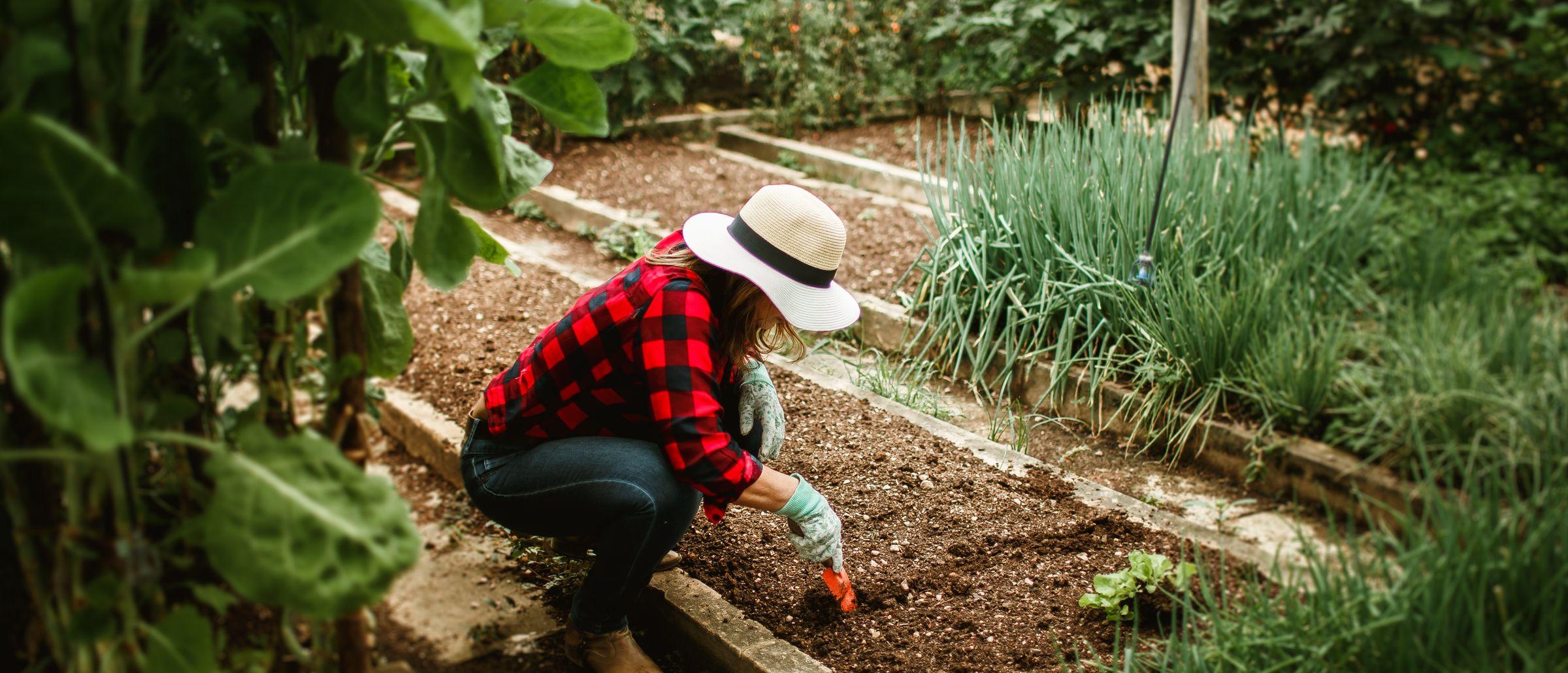
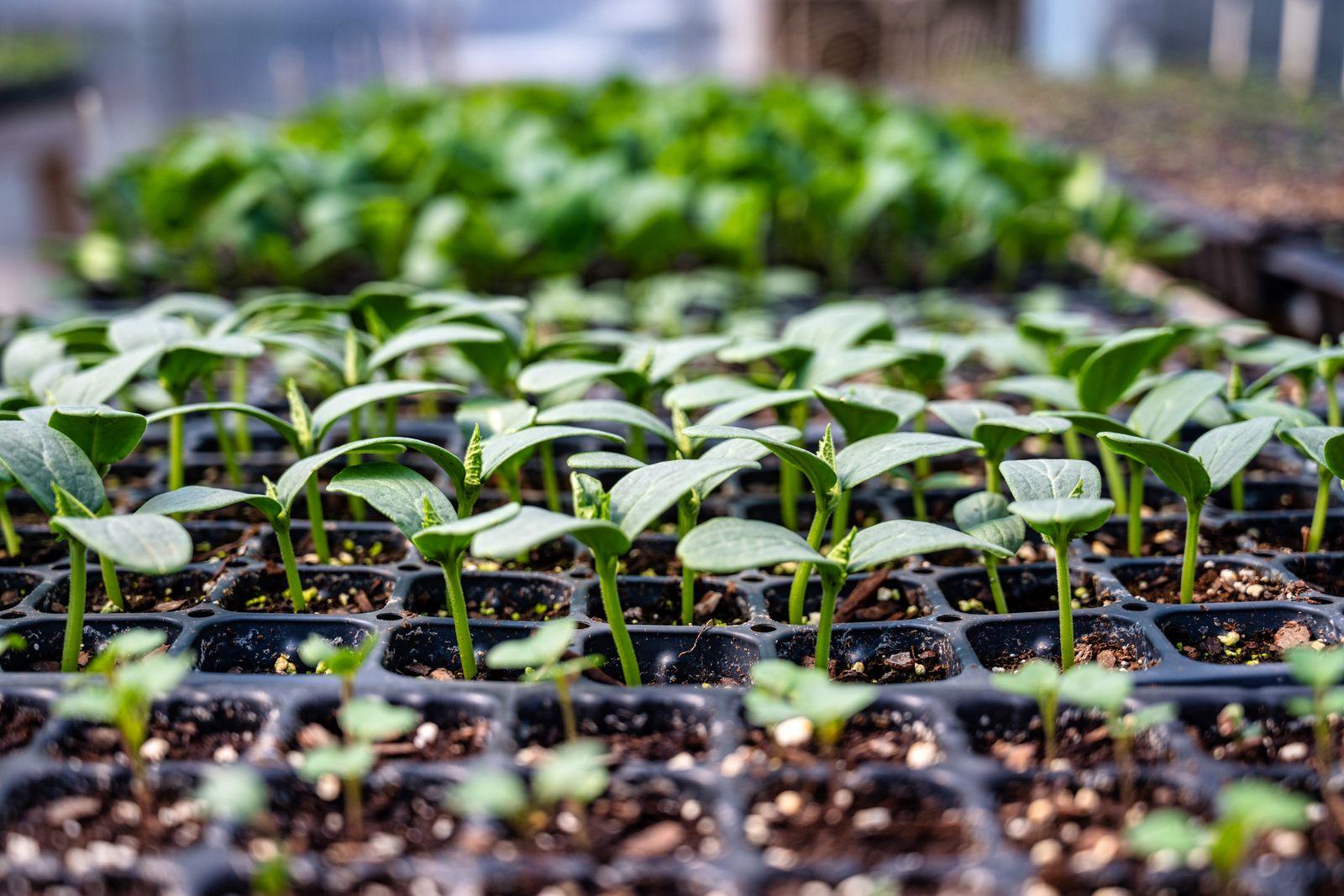
Twelve modules follow the order of the work. You map sun and shade, weigh raised beds against in-ground rows, and build a 4 × 8 ft cedar bed and a drip system on a timer. Then comes the growing: seed starting under LED lights, succession sowing so lettuce arrives steadily instead of all at once, a four-bed rotation, pest control with netting and regular scouting instead of sprays, and low tunnels and cold frames that add weeks at both ends of the season. The last module covers harvest timing, curing and storage, so onions, squash and potatoes last well into winter.
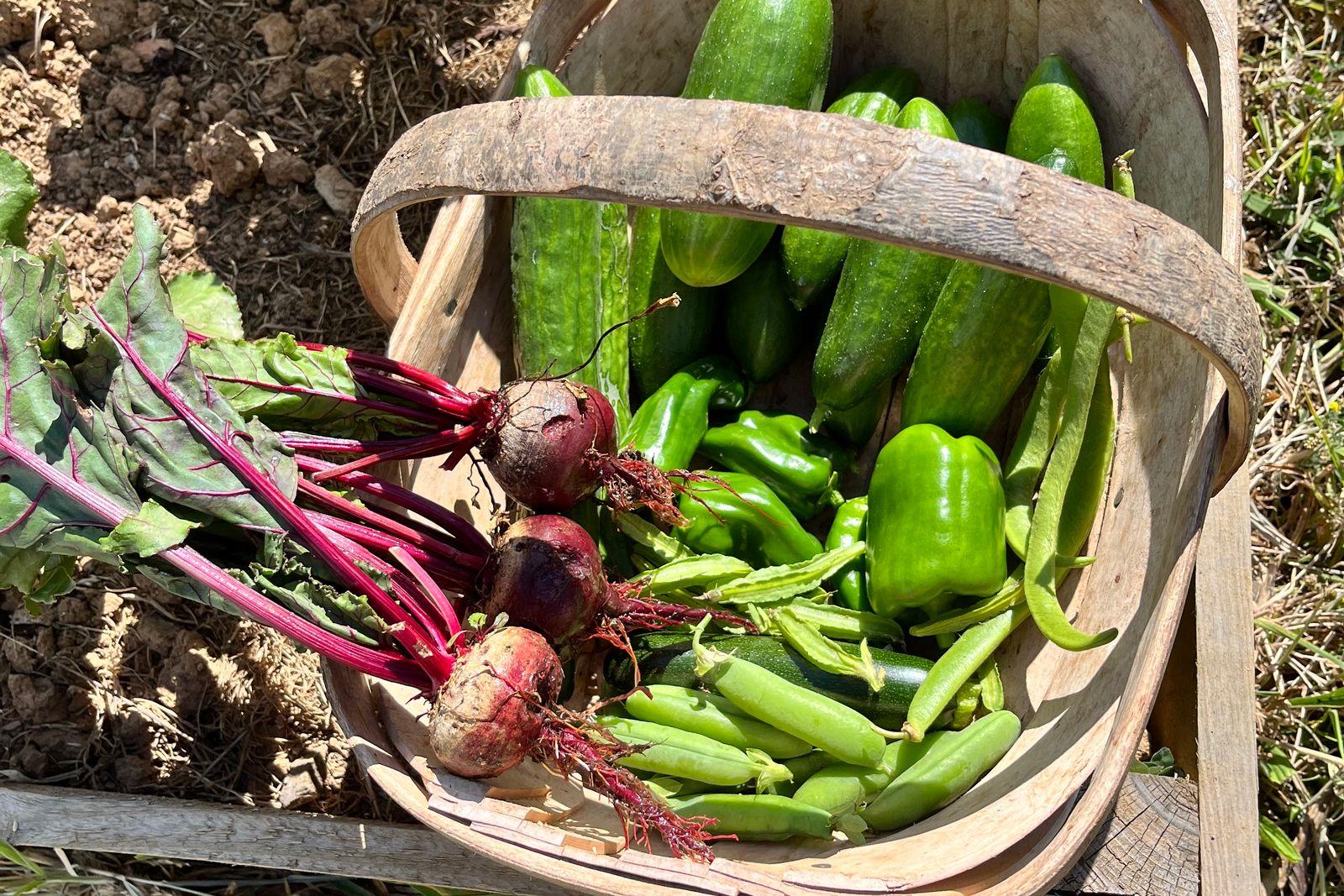
A garden like this takes work, and the course is specific about how much: 400 square feet of beds needs 4–6 hours a week in spring, less once the beds are built and the drip lines run. In a zone 6 garden, “most of the year” means fresh harvests from April into November, with covers at both ends, and stored crops after that; in zones 9–10 it can mean year-round, with midsummer heat as the hard season. You finish with a drawn plan, a sowing calendar set to your frost dates and a four-year rotation.