What to plant in October: garlic, greens and cover crops
October planting for zones 6–7, with depths and spacing: garlic and shallots, spinach, lettuce and radishes, fava beans where winters are mild, and cover crops for empty beds.
Hannah Reyes · · 5 min read
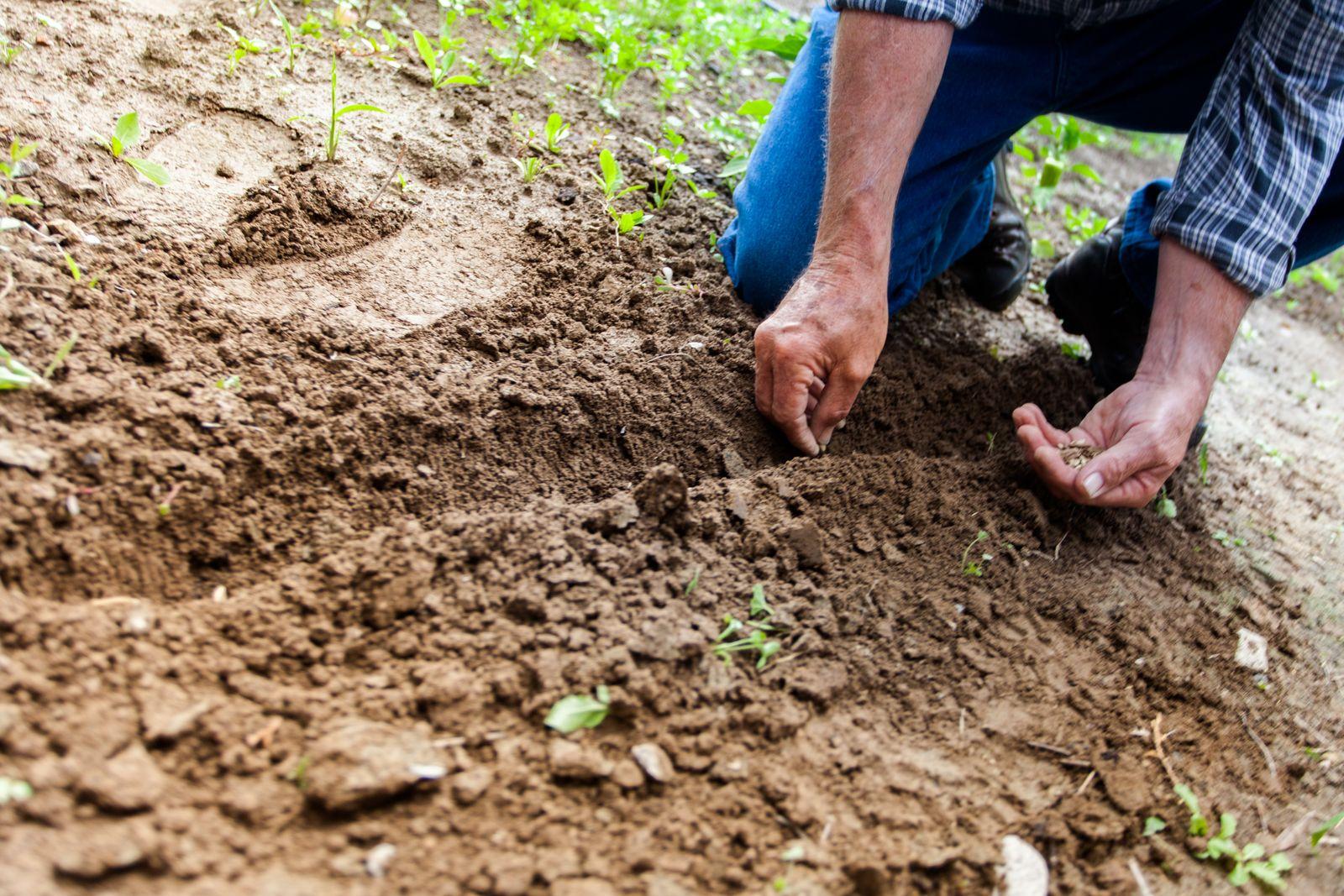
In zones 6 and 7, October is the last good month to plant in open ground. The soil still holds some summer warmth and the days are long enough to get new sowings going, as long as they go in during the first half of the month.
Think in two groups. Radishes, arugula and baby lettuce grow fast and get picked before the cold stops them, so sow them right away. Garlic, shallots and spinach spend the winter underground or as small plants and start growing again in March: spinach should be up by mid-month, while garlic and shallots go in during the second half.
Get the beds ready
Clear out the spent summer crops and the weeds, roots and all; plants that had blight or powdery mildew go in the trash, not the compost. Loosen the soil 8–10 inches deep with a digging fork, without turning it over, and rake the top inch or two fine.
Spread about an inch of finished compost where the greens, radishes, garlic and shallots will go, but no fresh manure, which can burn roots and encourage rot in the bulbs. Fava beans need no compost: as legumes, they get their nitrogen from bacteria on their roots. If your soil stays soggy for days after a storm, plant in beds raised 6–8 inches, because seeds and cloves rot fast in waterlogged ground.
Tip: The squeeze test
Squeeze a handful of soil from about 4 inches down. If it crumbles when you open your hand, it’s ready to work. If it stays in a tight, shiny ball, it’s too wet: wait two or three dry days, or you’ll compact it and the seedlings will struggle to come up.
What to sow now
These spacings work for a home garden. As a rule of thumb, plant a seed two to three times as deep as it is wide.
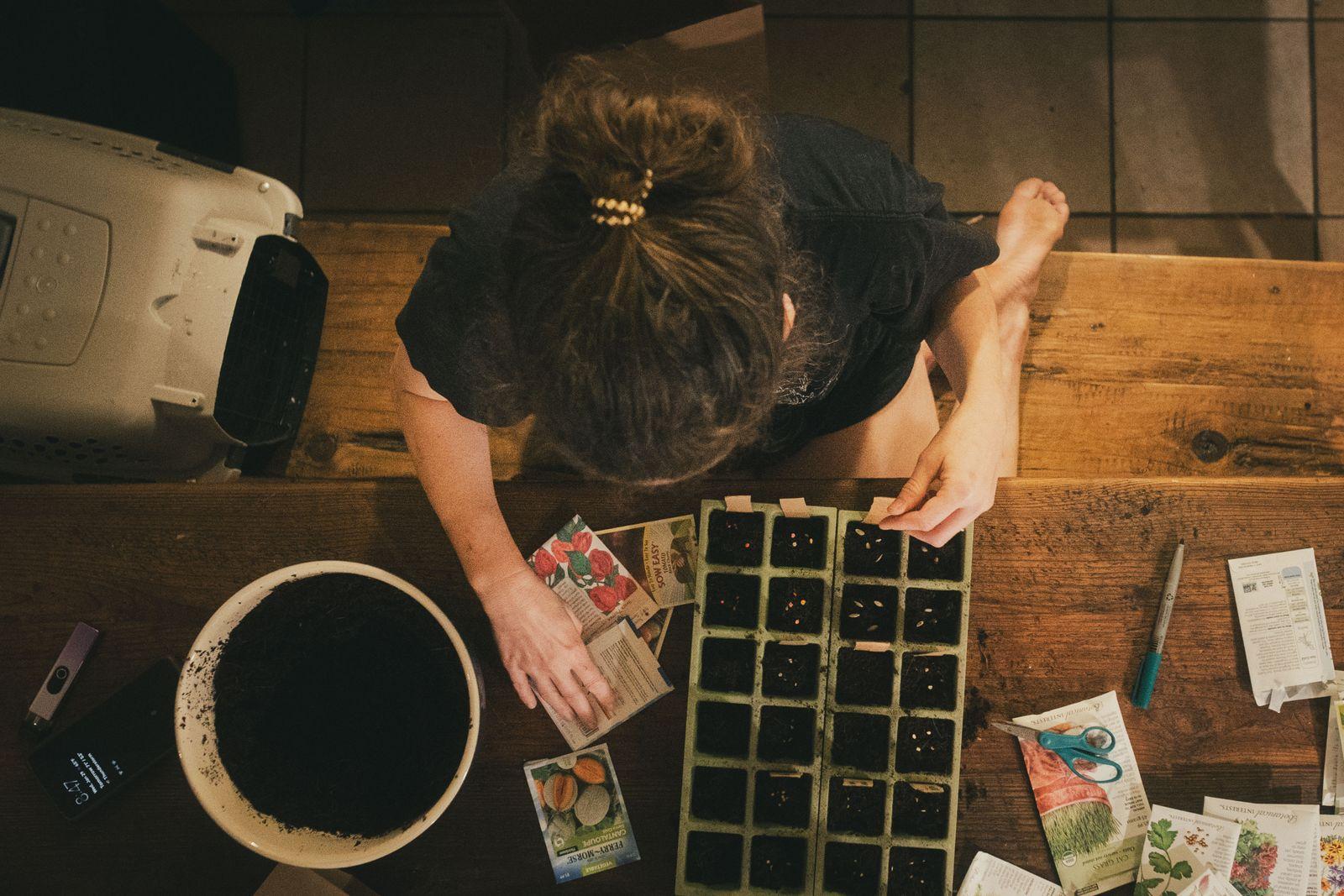
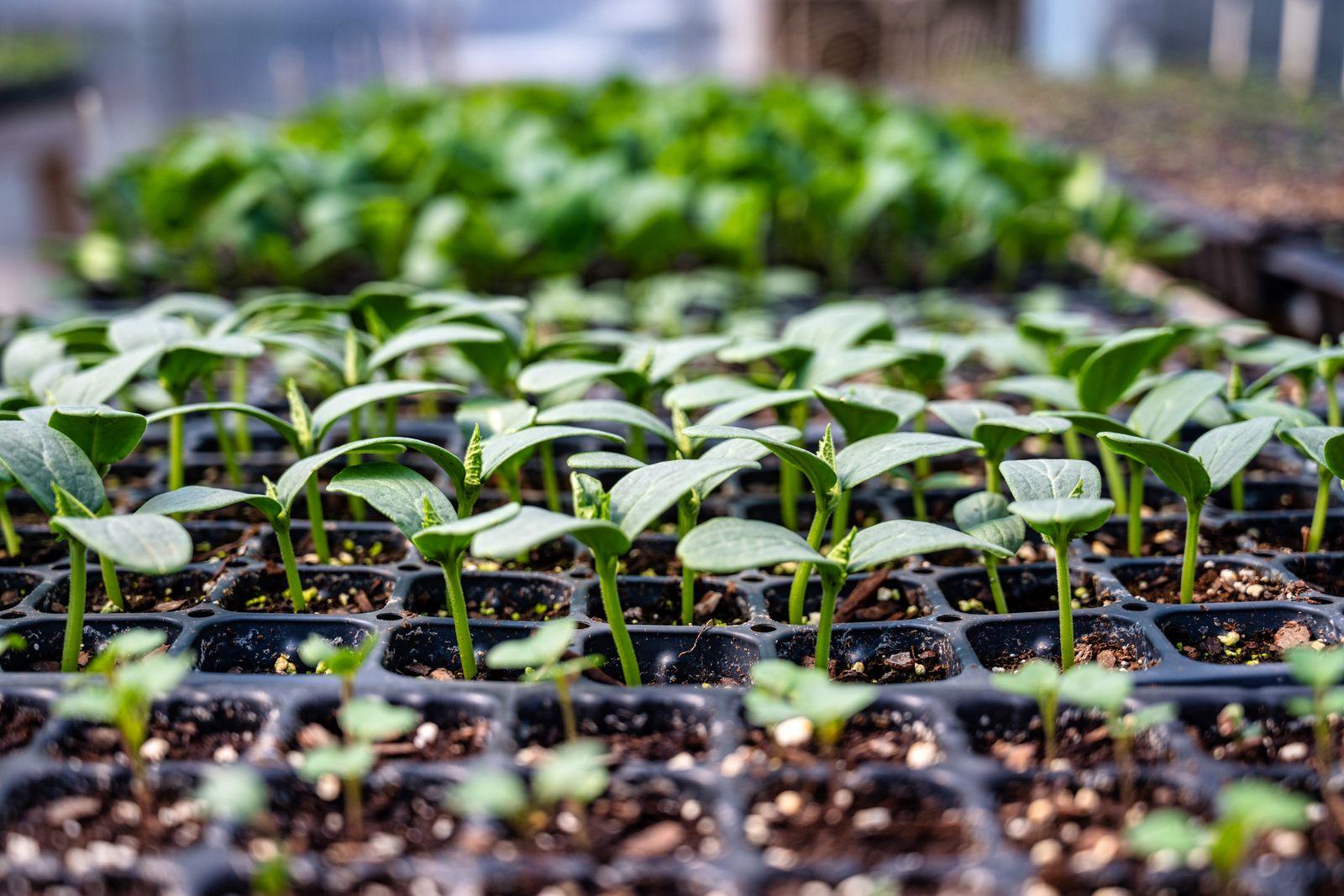
- Spinach: rows 12 inches apart, seed ½ inch deep and 2 inches apart, thinned to 4–6 inches. Sow in the first week of the month: cold-hardy varieties such as ‘Winter Bloomsdale’ come through the winter as small rosettes and are ready to pick in March.
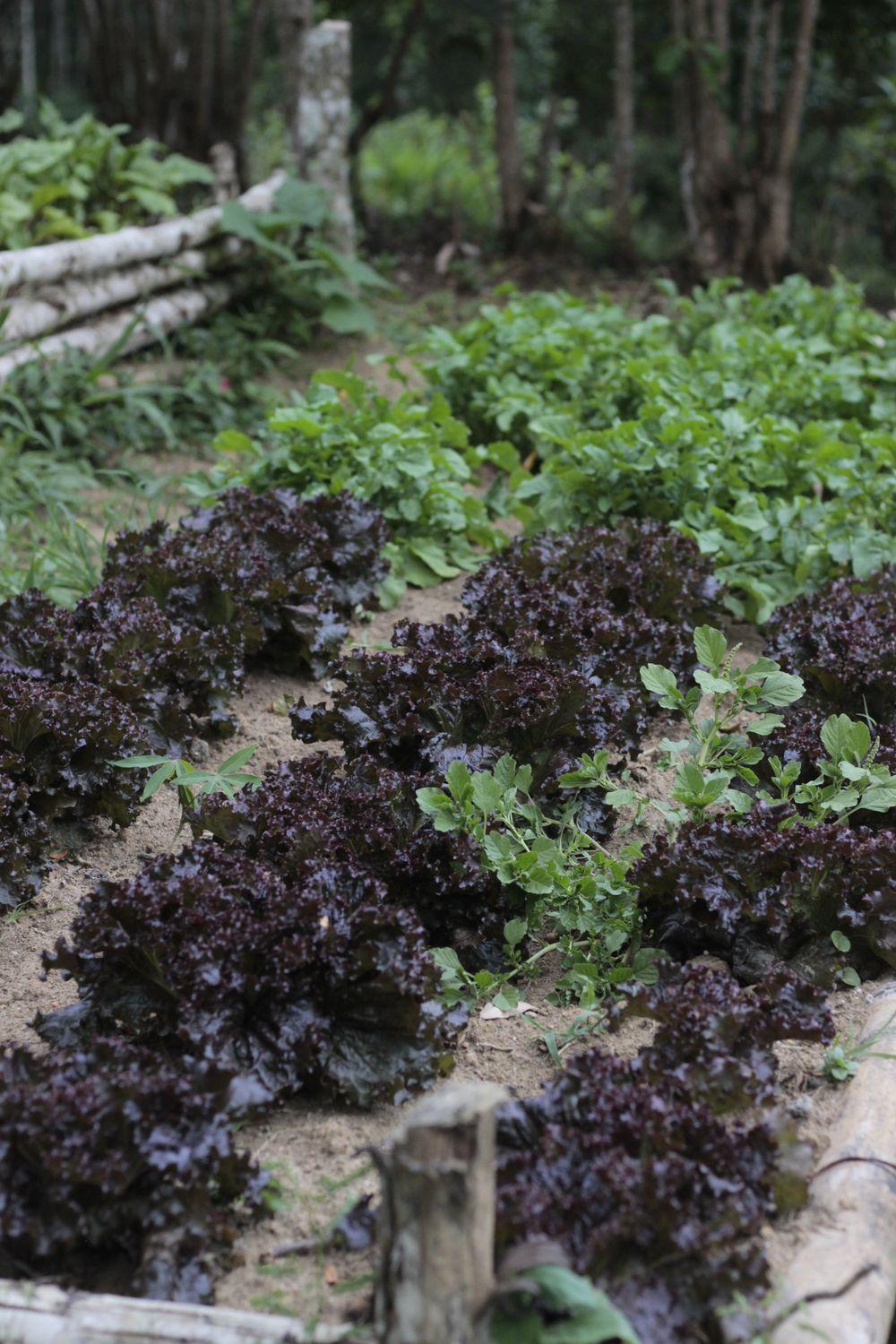
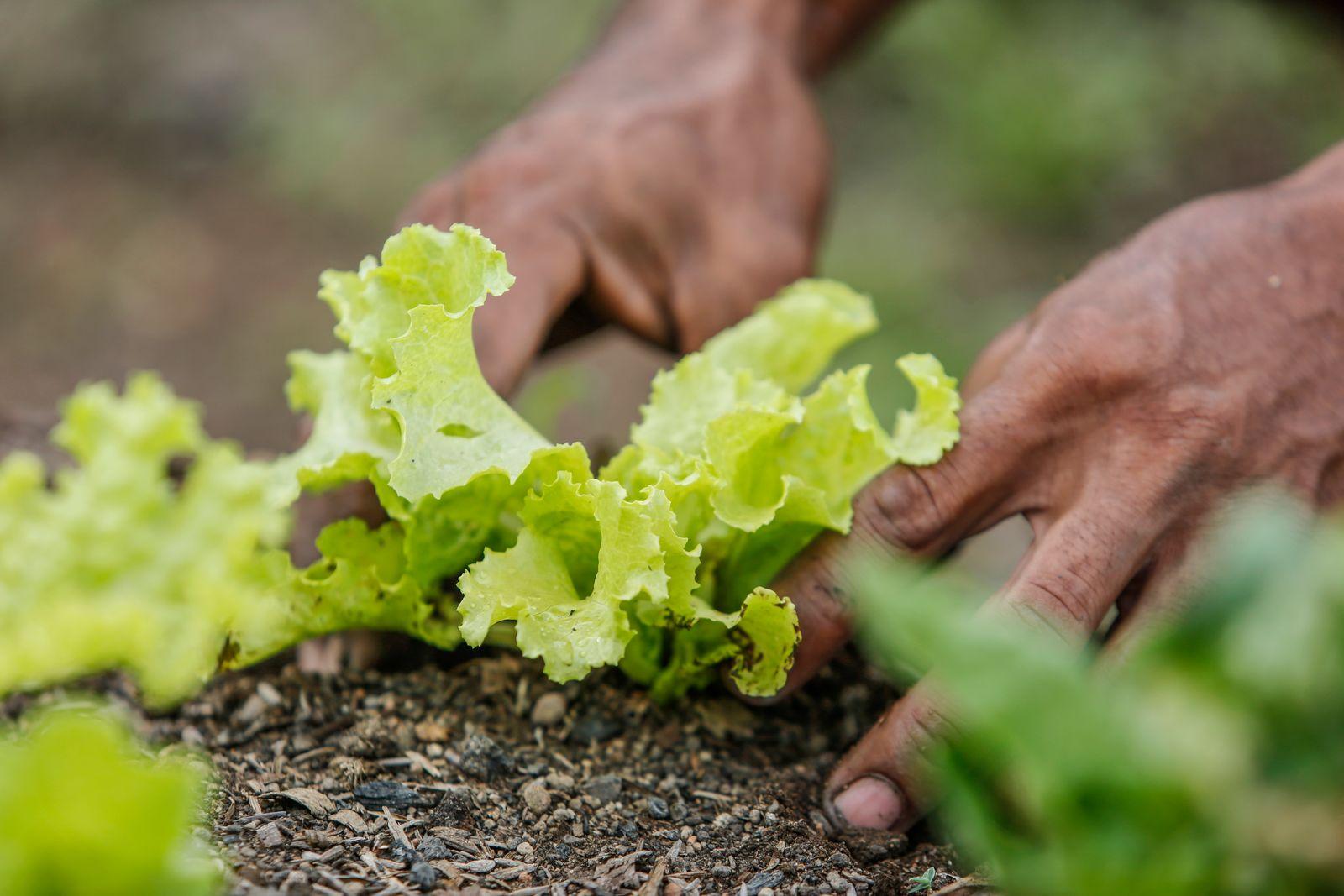
- Lettuce: rows 6–8 inches apart for baby leaves, seed barely covered. Sown early in the month, it gives a first cutting in five to six weeks; ‘Winter Density’ and ‘Rouge d’Hiver’ handle the cold best.
- Arugula: rows 6 inches apart, seed just covered, before mid-month.
- Radishes: one seed per inch, ½ inch deep, in rows 6 inches apart. They’re ready in four to six weeks.
- Fava beans, only where winters are mild (zones 8–10): 1–2 inches deep, 6 inches apart, in rows 24 inches apart. They take a light frost but not a hard freeze, so in zone 7 and colder, sow them in early spring instead.
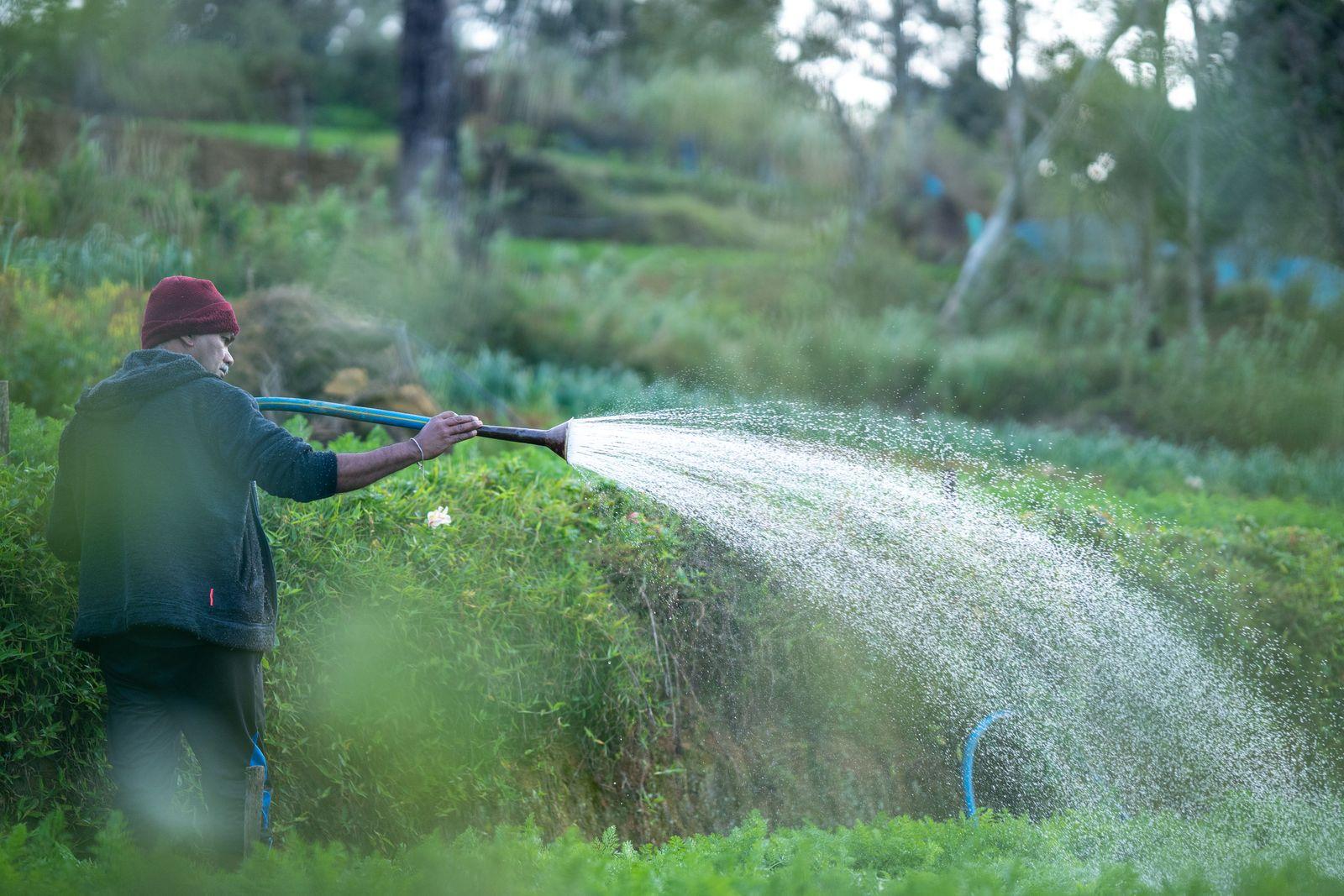
Whatever you sow should be close to full size by mid-November: after that, days are shorter than about ten hours and growth nearly stops until late January. Firm the soil after sowing, water with a fine spray if no rain is forecast, and give a row about two weeks before you decide it has failed.
Live class · Starts Oct 13
Grow Through Winter
Plan and plant a cool-season kitchen garden you can harvest from November to March
$590
Garlic and shallots
Garlic is grown from cloves, not seed. Buy seed garlic from a garlic farm or a seed company: supermarket bulbs are usually a softneck type grown for mild climates, and they may have been treated to keep them from sprouting. Break the heads apart a day or two before planting and set the biggest outer cloves, skins on and pointed end up, 2 inches deep and 6 inches apart, in rows 12 inches apart.
In zones 6–7, plant from mid-October to early November; in zones 3–5, from late September to early October; in zones 8–9, in November or December. Garlic needs a long cool spell to form big heads, which is why fall planting beats spring. Hardnecks such as ‘Music’ and ‘German Extra Hardy’ suit cold winters and send up a curly flower stalk, the scape, in June; softnecks store longer and are the usual choice in the South and on the West Coast.
Plant shallots the same way, with the tips just below the surface, 6 inches apart; in zones colder than 6, wait for spring. Once the ground starts to freeze, usually in late November in zones 6–7, cover garlic and shallots with 4–6 inches of straw or shredded leaves to keep the soil from heaving. In spring the shoots come up through the mulch, which then keeps the weeds down.
Protecting late sowings
The first frost usually arrives around mid-October in zone 6 and a couple of weeks later in zone 7. Keep a medium-weight floating row cover, about 1 ounce per square yard, ready for the lettuce and arugula, and lay it over the plants or over wire hoops on cold nights: it keeps the air underneath several degrees warmer. Spinach needs only a light layer of straw between the rows, as explained in our article on mulching the vegetable garden.
Cool, damp nights bring out the slugs, which go straight for young greens. Pick them off by flashlight after dark, or use an iron phosphate slug bait, which is allowed in organic gardening.
In warmer and colder zones
In zones 8–10, from the Gulf Coast to the low deserts and coastal California, October starts the main cool-season planting: fava beans, peas, lettuce, spinach, carrots and beets go in now, along with broccoli, cabbage and kale transplants. If October runs warm and dry, keep the rows moist until the seedlings are up. In zones 3–5, where the ground can freeze by early November, get the garlic in by mid-October and cover empty beds with shredded leaves.
Cover crops for empty beds
Don’t leave cleared beds bare until spring. A cover crop holds the soil through the winter, keeps nutrients from washing away and adds organic matter when you cut it down.
- Cereal rye: the most forgiving, and the latest you can sow, through the end of October in zones 6–7. Use 3–5 ounces of seed per 100 square feet. Don’t confuse it with annual ryegrass, a lawn grass that is much harder to get rid of.
- Hairy vetch: a legume that adds nitrogen, often sown with rye, which gives it something to climb. Sow it by mid-September in zone 6 and by early October in zone 7, at 1–2 ounces per 100 square feet.
- Crimson clover: another legume, with red flowers in May that draw plenty of bees. It’s the least hardy of the three: sow it by late September, about 1 ounce per 100 square feet.
In spring, cut the cover crop down when it starts to flower, in late April or May, and wait two to three weeks before sowing: rye residue in particular slows the germination of small seeds, though transplants don’t mind it. How sowings, transplants and rotations fit together over a whole year is what we teach in our Kitchen Garden Masterclass.