Hard-to-kill houseplants: eight for low light and little time
ZZ plant, cast-iron plant, pothos and five others that put up with dim corners, forgotten waterings and dry winter heat. How to choose them and where to put them.
Marcus Bell · · 4 min read
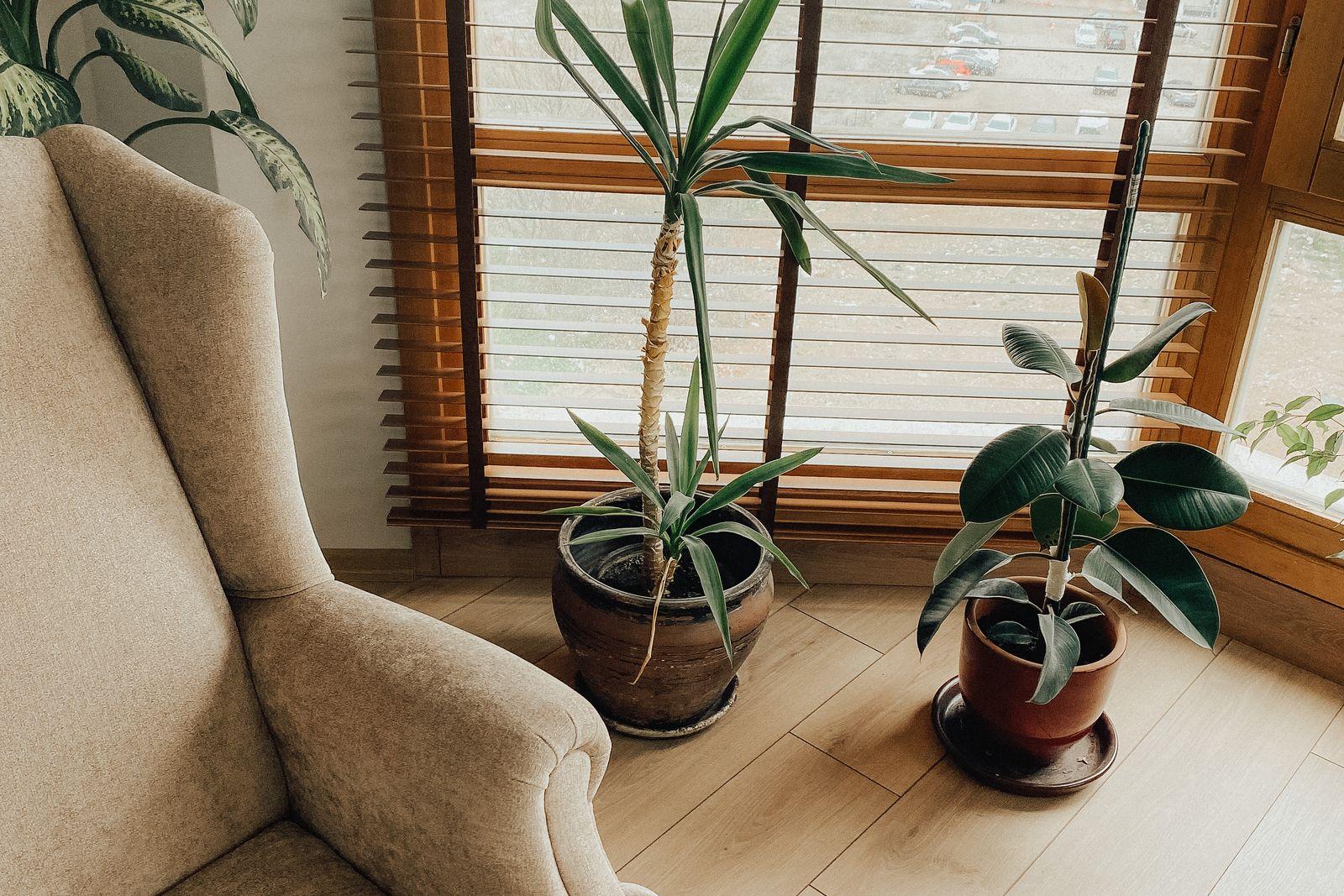
A hard-to-kill plant isn’t a plant that never dies. It’s one that forgives the most common mistakes: a spot far from the window, a missed watering, the dry air of a heated apartment. None of them, though, will forgive roots that sit in water.
Before you choose a plant, look at the light you have. It’s the surest way to avoid replacing it six months later.
How much light you really have
Our eyes adjust and fool us: 10 feet from a window, a plant gets only a small fraction of the light it would get next to the glass, even when the room looks bright. To measure it, all you need is a sheet of white paper. On a clear day around noon, hold your hand 12 inches above the paper, in the spot where you want the plant, and look at the shadow.
- A crisp, sharp-edged shadow: bright light. Almost anything grows here.
- A visible but fuzzy shadow: medium light, the most common situation 3–6 feet from a window.
- A shadow you can barely see: low light. Few plants do well here, and all of them grow slowly.
The direction the window faces matters too. A south-facing window gives bright light for many hours, plus direct summer sun that’s worth filtering with a sheer curtain; east and west windows give medium light with a few hours of sun; north windows give low but steady light. From November to February the light drops everywhere, so move plants a few feet closer to the window.
Eight plants that put up with a lot
For low-light corners
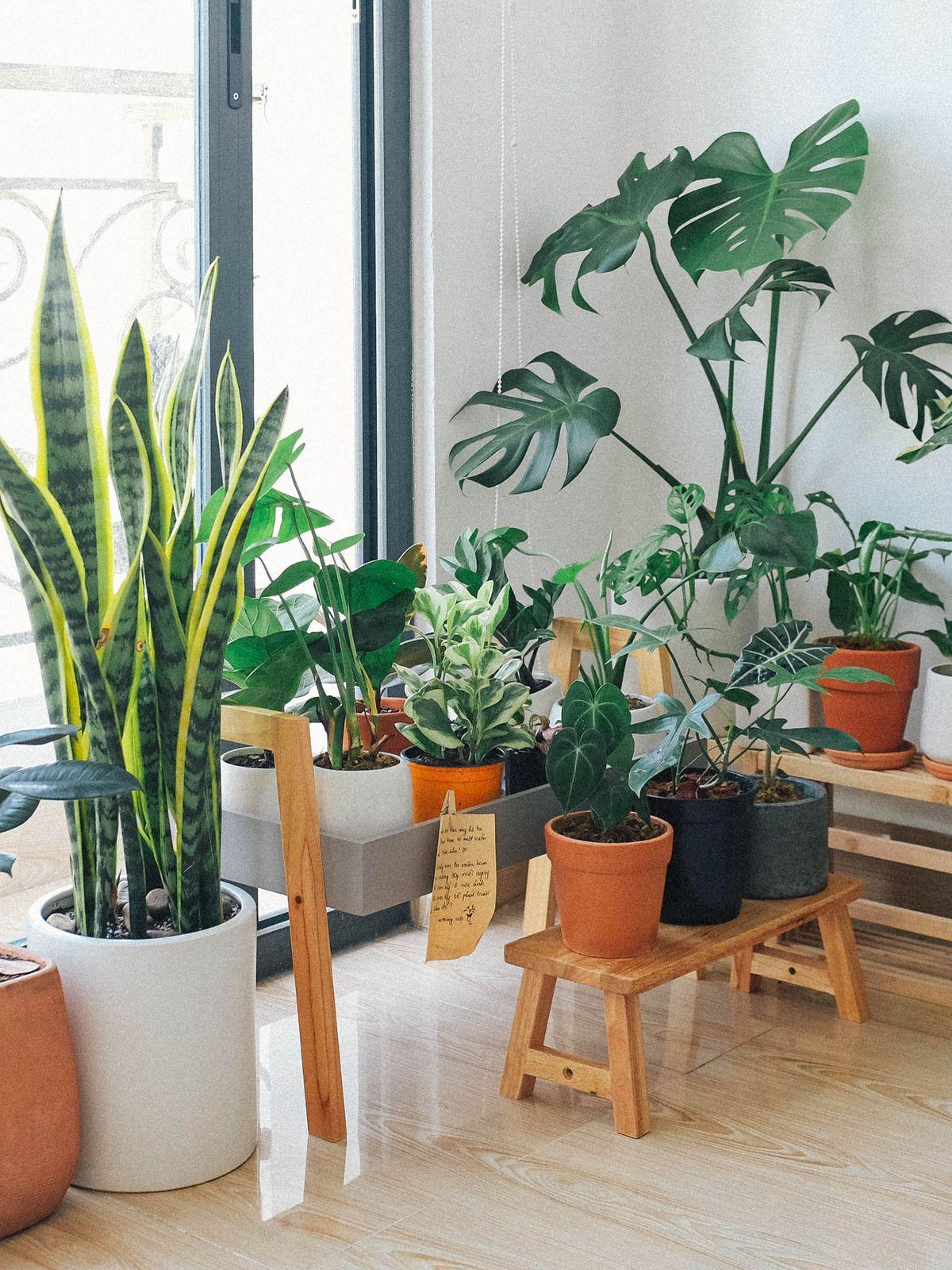
- ZZ plant (Zamioculcas zamiifolia): stores water in its thick rhizomes and fleshy stems, handles low light and goes weeks without water. In winter, watering once a month can be enough.
- Cast-iron plant (Aspidistra elatior): puts up with shade, cool rooms and irregular watering, hence the name. The right plant for entryways, hallways and stair landings.
- Chinese evergreen (Aglaonema): the green-leaved varieties handle low light well, while the pink and variegated ones want more. It sulks below 60°F.
- Kentia palm (Howea forsteriana): a slow palm that makes do with medium light and tolerates dry indoor air better than most palms.
For people who forget to water
- Snake plant (Dracaena trifasciata, long sold as Sansevieria): its thick leaves hold water in reserve. It lives in low light but grows better near a window. In winter, water it once a month or less.
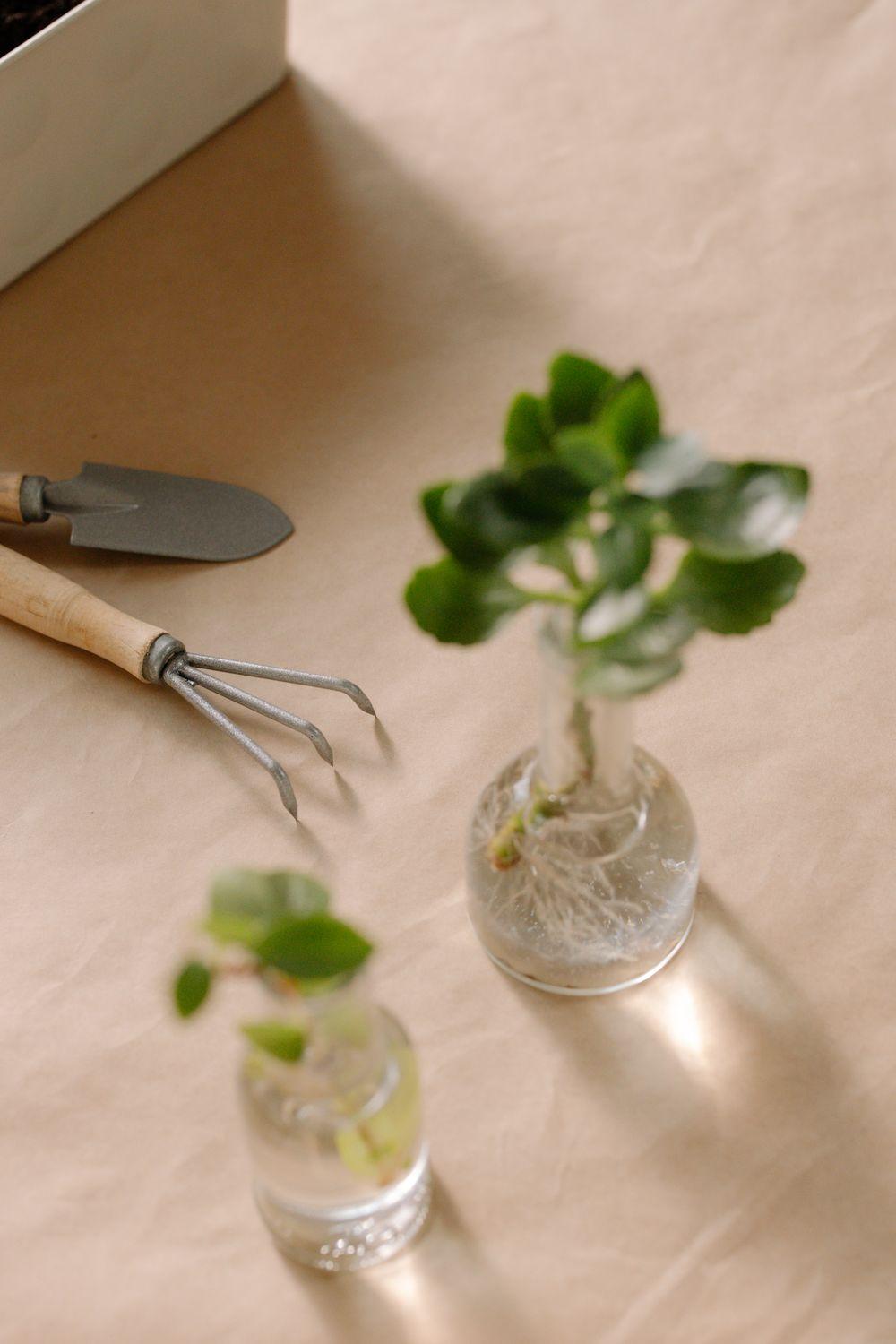
- Spider plant (Chlorophytum comosum): its fleshy roots store water, and it makes baby plants that root in a glass of water. It wants medium to bright light, without direct sun.
To watch them grow
- Pothos (Epipremnum aureum): trailing or climbing, happy in medium light; in low light the variegated kinds turn greener. Cuttings root in water within a few weeks.
- Heartleaf philodendron (Philodendron hederaceum): heart-shaped leaves and the same needs as pothos. When it’s thirsty the leaves droop a little, then perk up a few hours after watering.
Book · 288 pages
Houseplants, Properly
Light, water, mixes and repotting, explained once and clearly, with profiles of 120 houseplants
$59
The mistake none of them forgive
Almost every one of these plants dies for the same reason: too much water. In low light a plant uses very little, and the potting mix stays wet for weeks; the roots suffocate and rot, and the leaves turn yellow as if the plant were thirsty. Seeing it struggle, people water again, and the problem gets worse.
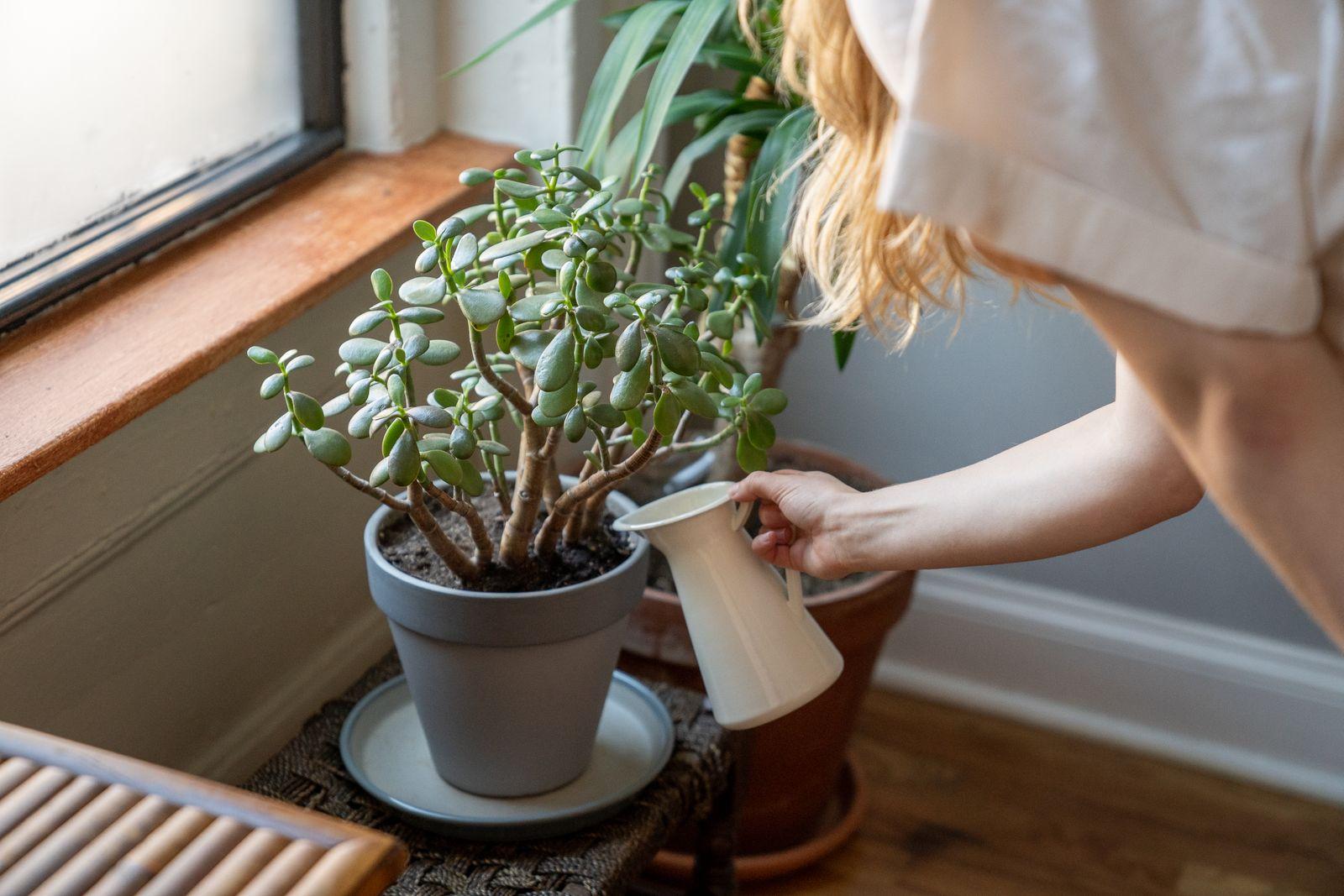
- Check the potting mix, not the calendar. For ZZ plants and snake plants it should be dry almost to the bottom; for the others, at least in the top 1–2 inches.
- When you water, water thoroughly, until it runs out of the drainage holes.
- After 15 minutes, empty the saucer or the decorative pot.
- From November to February, water less: with less light the plant grows little and drinks little.
Tip: Always a pot with holes
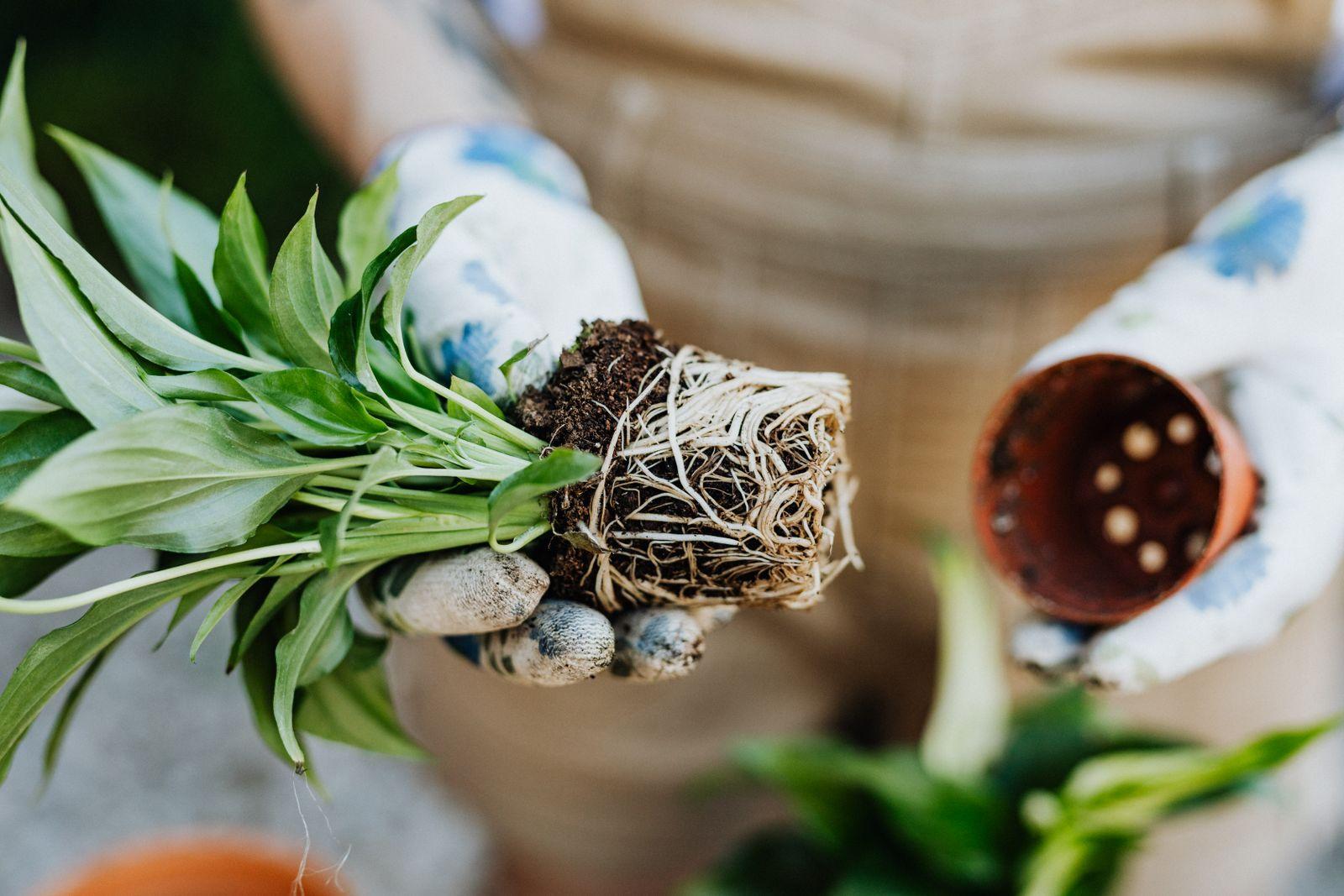
Keep the plant in its plastic nursery pot with drainage holes and set it inside a decorative pot. To water, lift it out, water it in the sink and put it back once it has stopped dripping. That way the roots never sit in water.
Heat, drafts and pets
Hot, dry air from radiators and heating vents dries out leaf tips and encourages spider mites. Keep plants at least 3 feet from radiators and vents and away from drafty doors and windows. Grouping several plants together helps hold a little humidity around the leaves; misting does little, because the water evaporates within minutes.
If you have cats or dogs, keep in mind that pothos, philodendron, ZZ plant, Chinese evergreen and snake plant irritate the mouth and stomach if chewed. Spider plant, cast-iron plant and kentia palm are considered non-toxic. The ASPCA keeps an online list of toxic and non-toxic plants that’s worth checking before you bring a new one home.
Feeding and repotting
These plants grow slowly and need little fertilizer: from April through September, a liquid houseplant fertilizer at half strength every three to four weeks is plenty, and none in winter. ZZ plants and snake plants like being a little pot-bound: repot them in spring, and only when the roots are bending the pot out of shape or poking out of the drainage holes.
When you bring a new plant home, don’t repot it right away. Leave it in its nursery pot for a few weeks, in the spot where it will live, and watch how it responds: if it puts out new leaves, the spot is right. When the time comes to repot or to start new plants from cuttings, our Propagation Lab walks you through it live; for light and watering in more depth, there’s the Indoor Garden Masterclass.