Smelly compost: why it happens and how to fix it
An ammonia or rotten-egg smell means too many wet greens and not enough air. How to rescue the pile, and how to build the next one so it doesn’t happen again.
Ruth Okafor · · 4 min read
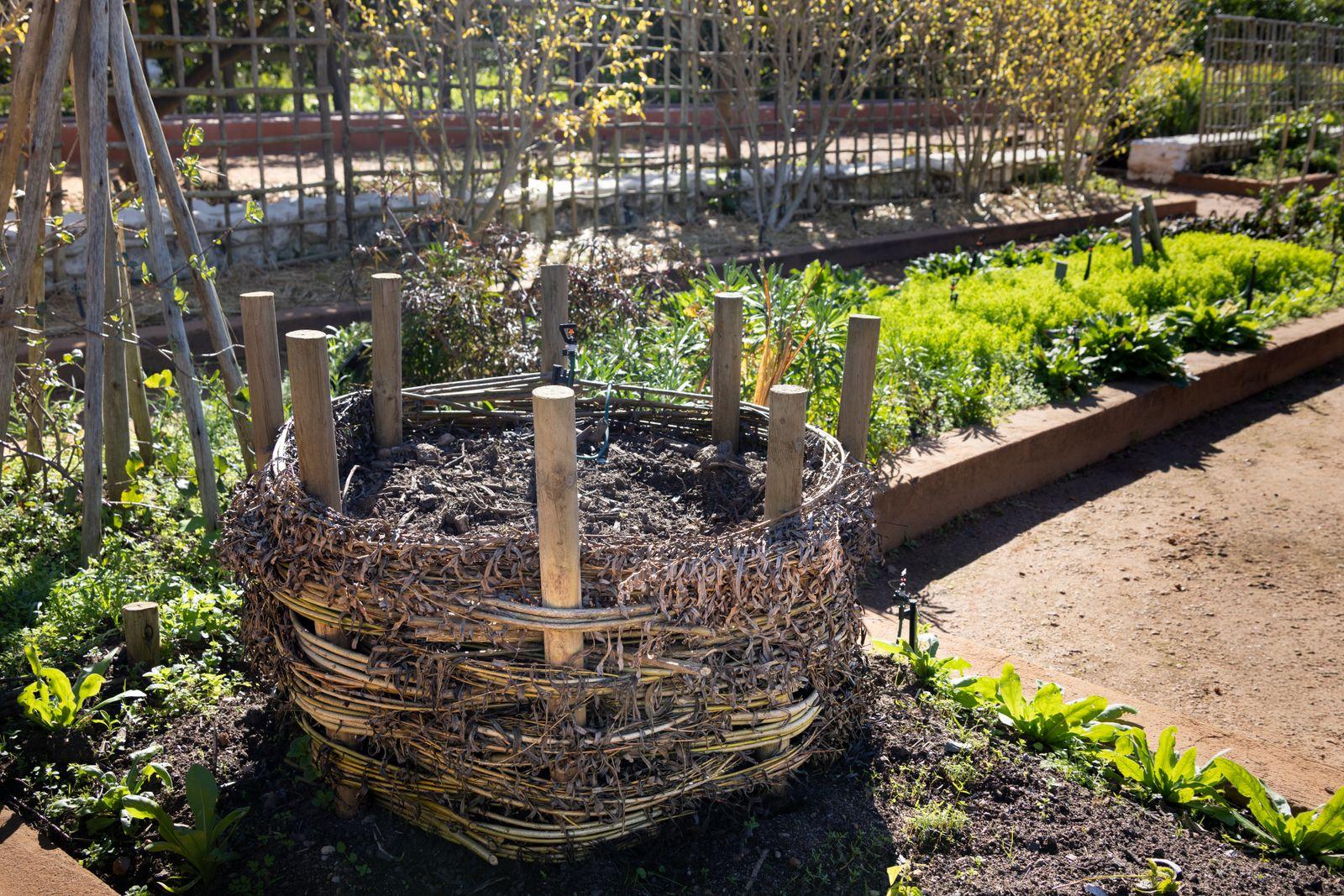
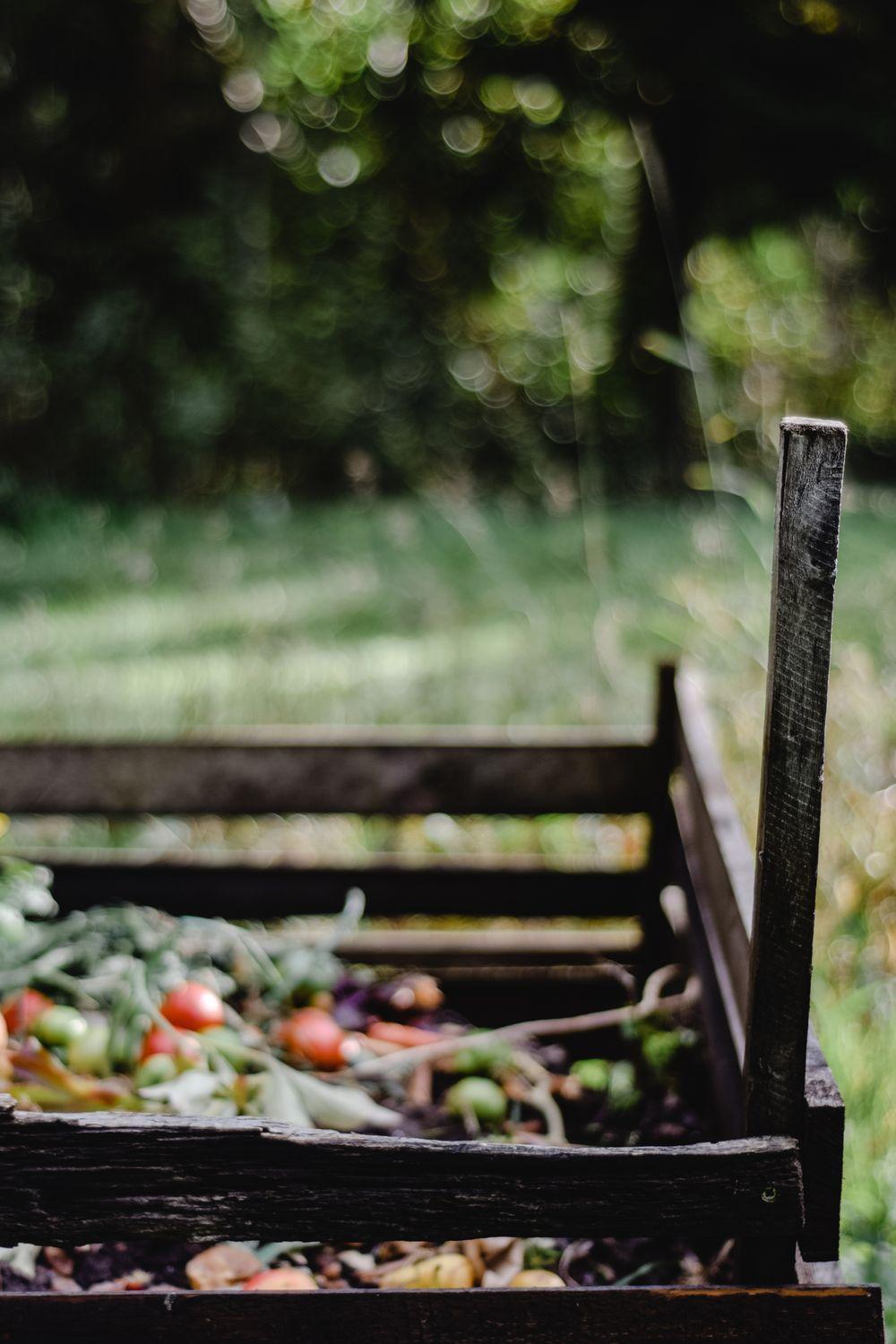
Healthy compost smells like the forest floor. If yours stinks, there’s almost always too much wet, green material in it, or not enough air. Often both.
The fix takes a pitchfork and a bag of dry leaves. First, though, figure out what you’re smelling, because ammonia and rotten eggs don’t have the same cause.
What does it smell like?
- Ammonia, sharp like urine: too much nitrogen. You’ve added lots of greens, such as grass clippings, kitchen scraps or fresh manure, and too few browns, and the extra nitrogen is escaping as ammonia gas.
- Rotten eggs or sewage: not enough oxygen. The pile is packed and soggy, and the microbes that need air have given way to the ones that ferment. It happens most at the bottom of the pile and in layers of matted grass.
- Vinegar or fermenting fruit: a lot of fruit added at once, often with fruit flies. It’s a milder lack of air, and the fix is the same.
The opposite problem is a pile that smells of nothing and hasn’t changed in weeks: it’s too dry, or short on greens. Water it as you turn it, and mix in fresh grass or kitchen scraps.
Getting browns and greens in balance
Compost microbes feed on carbon, which they find in dry, brown materials, and on nitrogen, which comes from green, moist ones. They work best with roughly 25–30 times as much carbon as nitrogen. You don’t need to weigh anything: by volume, aim for two to three parts browns to one part greens.
Greens are fruit and vegetable scraps, coffee grounds, fresh grass clippings and manure. Browns are fallen leaves, straw, shredded twigs, plain cardboard torn into pieces, and sawdust or shavings from untreated wood.
Grass clippings are the most common cause of summer stink: piled thick, they mat down within days into a slimy, airless sheet. Let them dry in the sun for a day first, or add them in thin layers, no more than 2 inches, between layers of browns. Use clippings only from lawns you know haven’t been treated with weed killer: some herbicides break down slowly enough to survive composting and can damage tomatoes, beans and peppers the following year.
Size matters too: a pile smaller than about 3 feet on each side doesn’t heat up much and works more slowly. That’s normal for a backyard bin; put it in partial shade, out of the wind, so a few days of summer heat don’t dry it out. In the dry West that’s often the real problem: the pile dries out and stalls, and it needs water every time you turn it.
How to rescue a smelly pile
- Turn the whole pile with a pitchfork, breaking up the matted layers. Air gets in right away, and the rotten-egg smell fades within a few days.
- As you turn it, mix in browns: leaves, straw or torn cardboard. If the pile is soaking wet you’ll need a lot, up to as much as the greens already in there.
- Add a few handfuls of twigs or coarse wood chips: they leave gaps where air can move.
- Do the squeeze test: grab a handful and squeeze. It should feel like a wrung-out sponge, with a drop or two of water at most.
- Put a lid or a breathable tarp over the pile so rain doesn’t soak it. If the bin sits on concrete, move it onto bare soil, with a layer of twigs at the bottom.
- Turn it again after a week, then every two to three weeks, until it smells like the woods again.
A backyard bin left to itself turns out finished compost in six months to a year. If you need it sooner, build a hot pile: all at once, with the right proportions, at least 3 feet on each side, and turned often.
Masterclass · 7 hr 7 min
Living Soil Masterclass
Test your soil, then rebuild it with compost, mulch, cover crops and no-dig beds
$420
What to keep out
Some scraps stink, draw raccoons and rats, or cause problems in the garden. Leave out meat, fish, dairy and oily leftovers; cat litter and dog or cat waste; diseased plants; ash from charcoal briquettes or painted wood; and glossy or color-printed paper. Citrus peels and leftover pasta or rice are fine in small amounts, buried well under browns.
Tip: Bags of leaves for the whole year
In fall, fill two or three bags with dry leaves, or pick up the ones your neighbors leave at the curb, and keep them next to the bin, out of the rain. In summer, when grass is plentiful and browns are scarce, cover each bucket of kitchen scraps with a couple of handfuls of leaves. The pile stays in balance and fruit flies can’t get at the fruit.
When it’s ready and how to use it
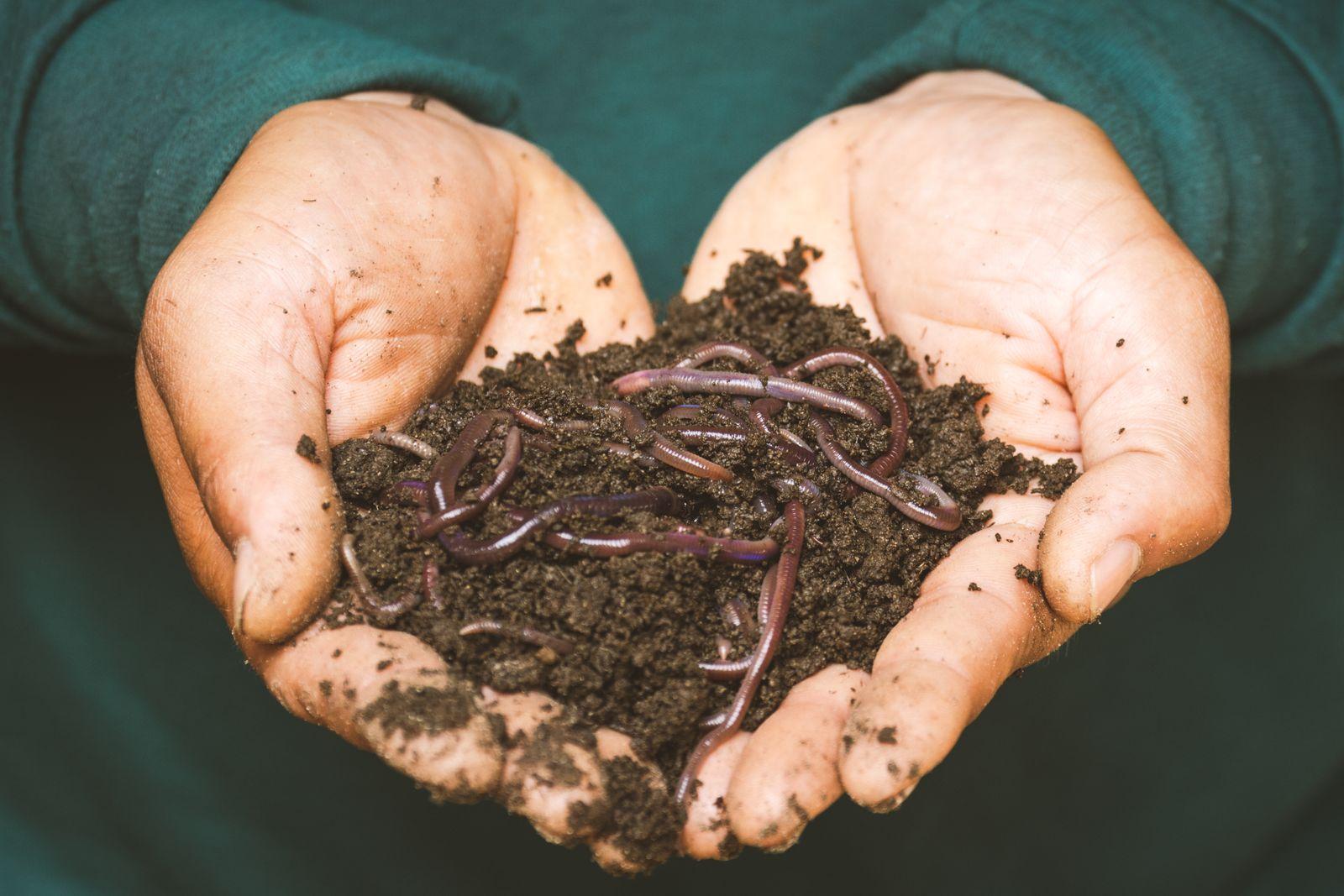
Finished compost is dark and crumbly and smells like the woods. You can’t recognize anything that went in, apart from the largest woody bits: sift it through a ½-inch screen and toss what’s left into the new pile, where it brings along the microbes that get it started.
Spread it in fall on the beds you’ve cleared, about an inch deep, or in spring as a 1-inch layer around your vegetables, a mulch that also feeds. If you want to know what happens next, once the compost is in the soil, read Living Soil.