Soil & Compost
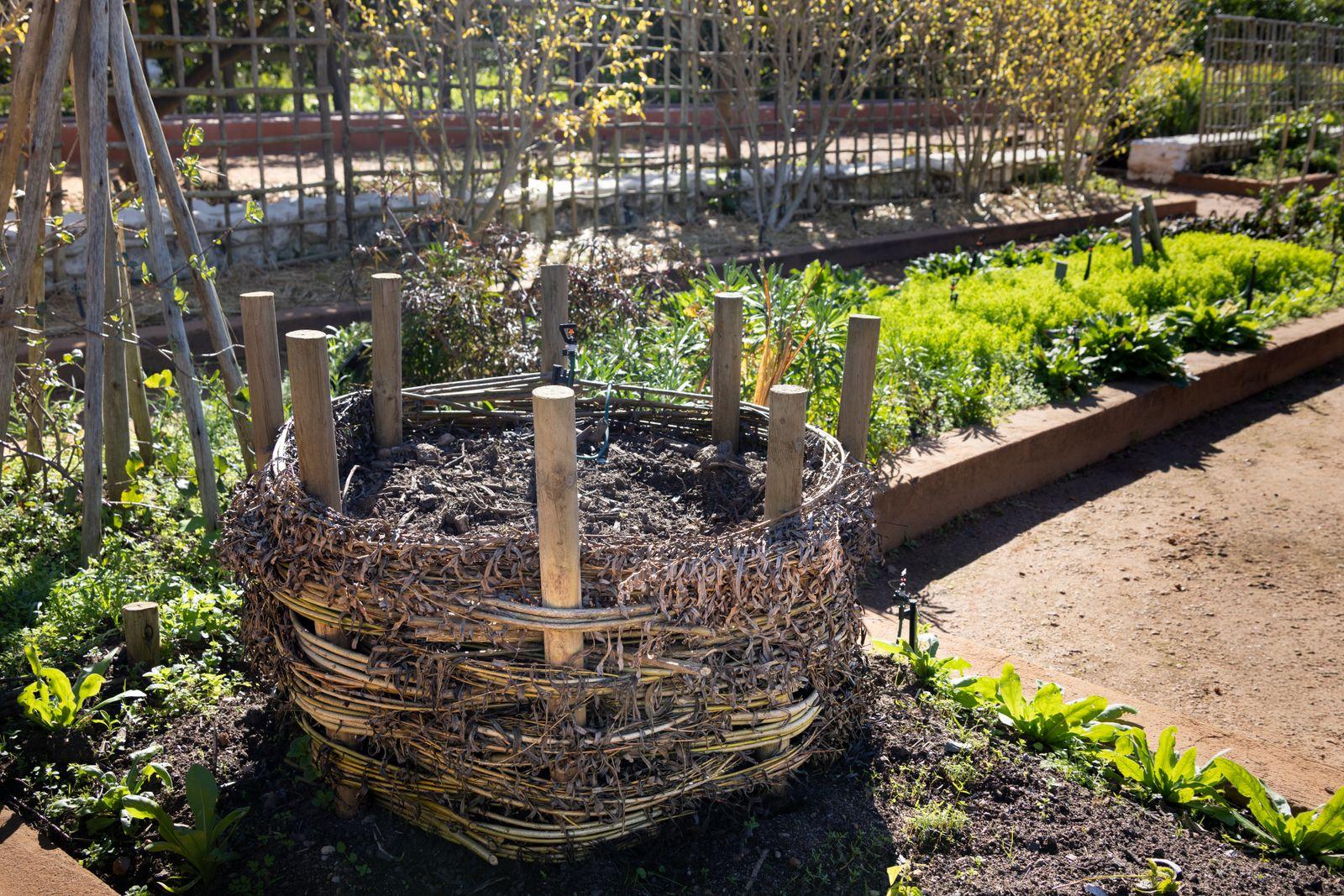
Smelly compost: why it happens and how to fix it
An ammonia or rotten-egg smell means too many wet greens and not enough air. How to rescue the pile, and how to build the next one so it doesn’t happen again.
Ruth Okafor · · 4 min read
Free US shipping on book orders over $100
 Masterclass
Living Soil Masterclass
8 modules · 7 hr 7 min
MasterclassLiving Soil Masterclass
8 modules · 7 hr 7 min
Video masterclass
Test your soil, then rebuild it with compost, mulch, cover crops and no-dig beds
with Ruth Okafor, soil scientist
$420
One payment, lifetime accessAbout the masterclass
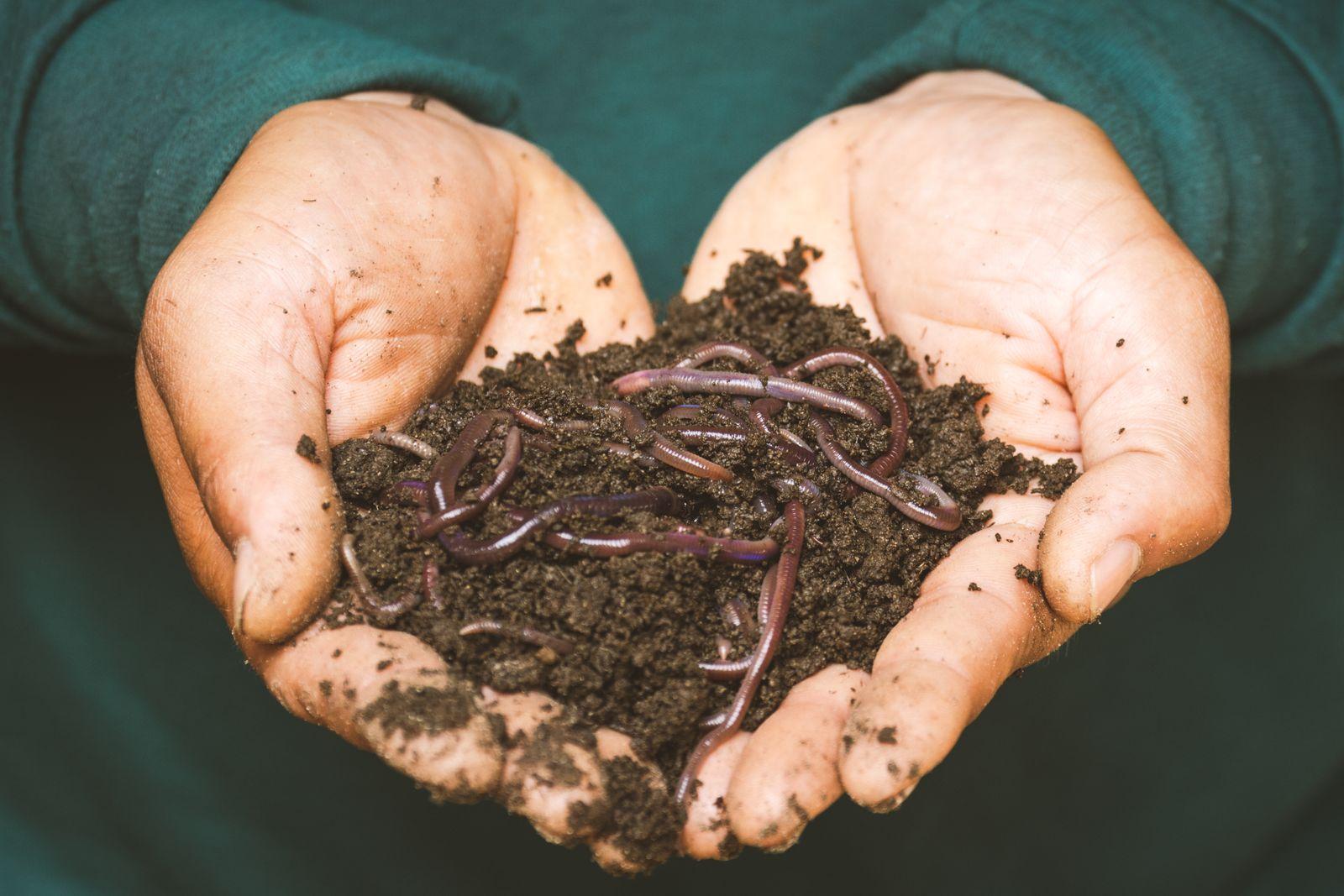
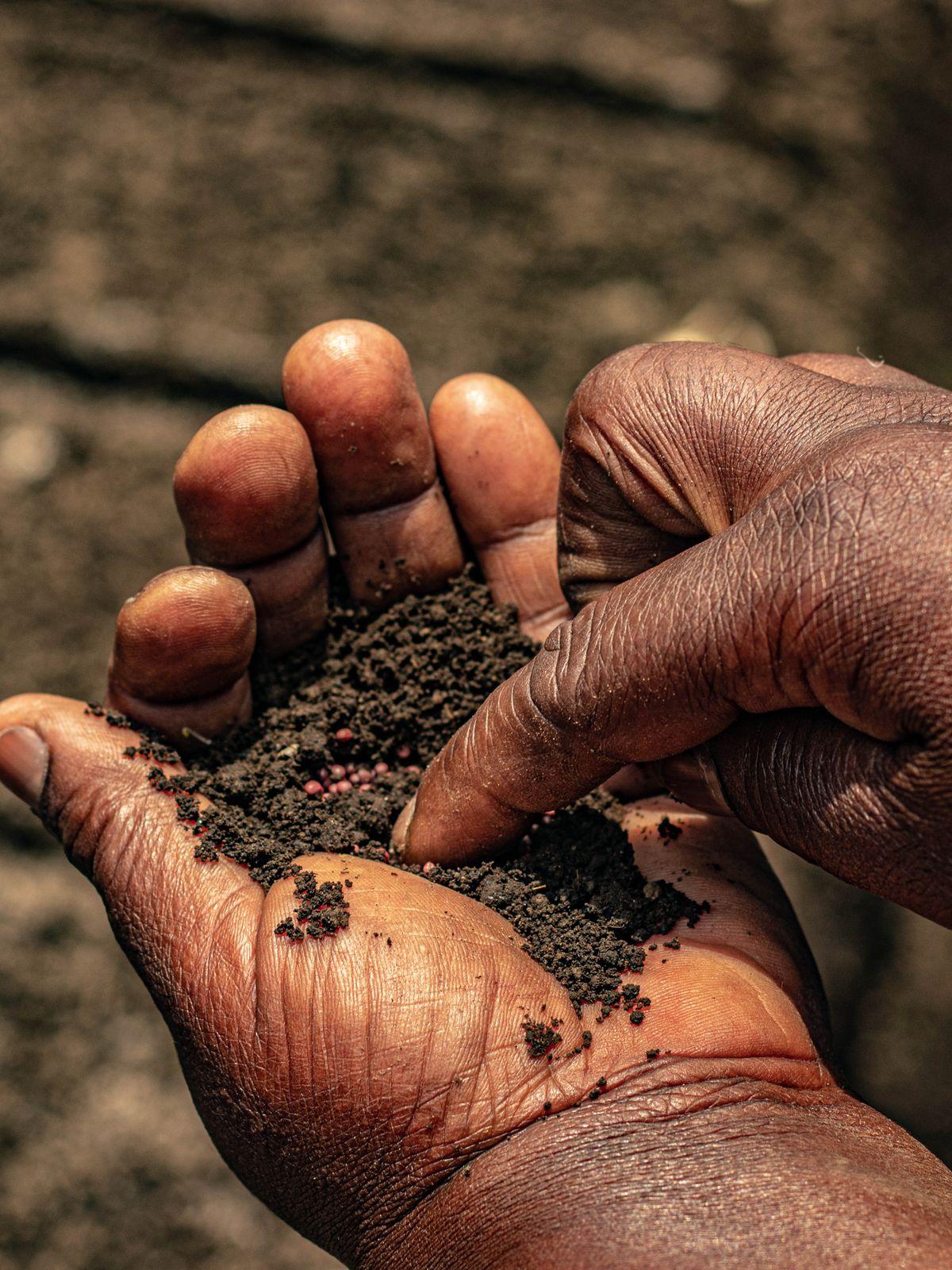
Many garden problems start below the surface. Plants that sulk despite fertilizer, beds that bake hard in August and stay waterlogged in March, seedlings that never take off: usually the soil has stopped working, not run out of a nutrient. In this masterclass soil scientist Ruth Okafor shows how to read your soil, test it properly and rebuild it with compost, mulch, cover crops and less digging.
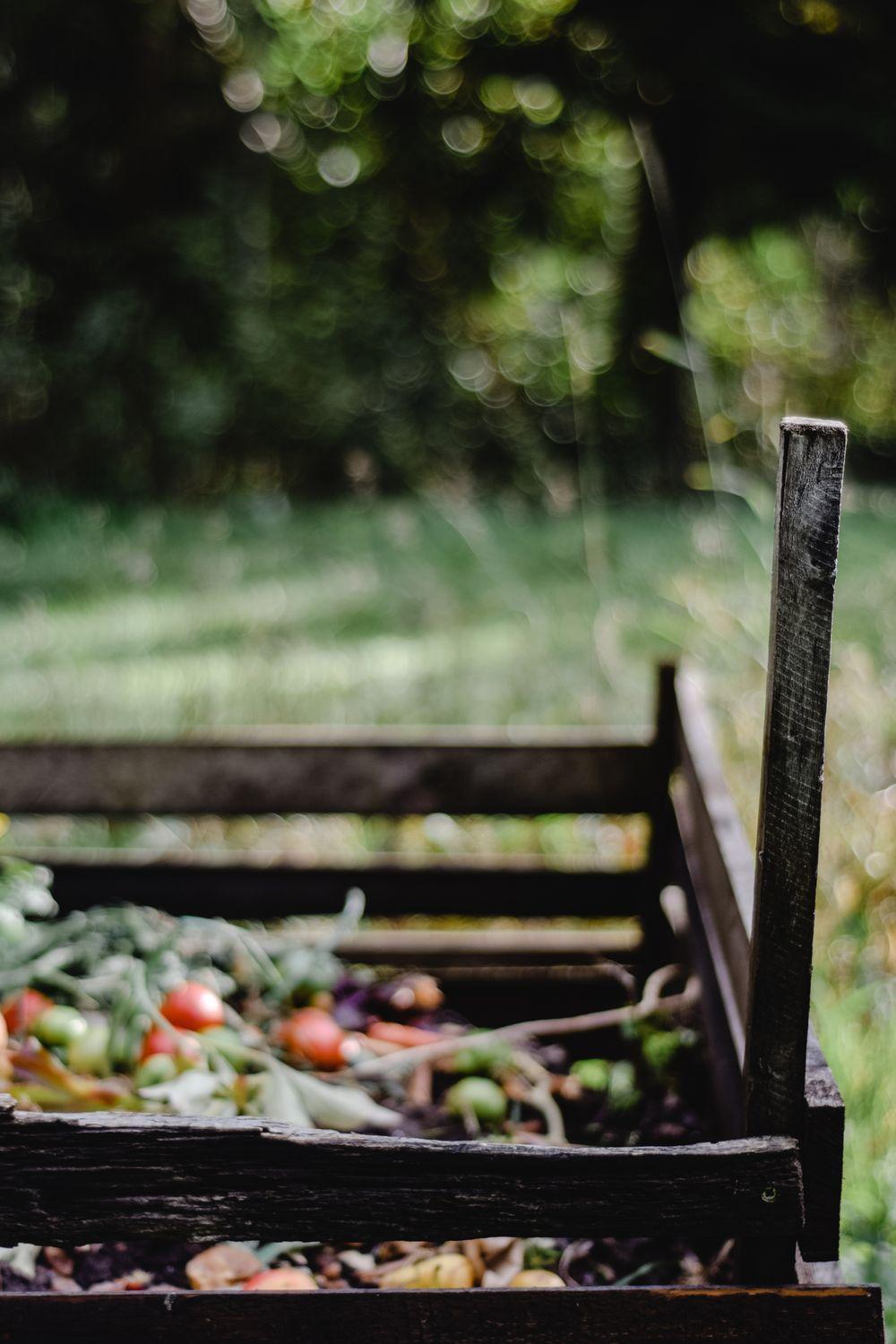
It was filmed over a full year on three very different sites: a community farm on red Georgia clay, a backyard on alkaline desert sand in Tucson, and a new-build lot outside Columbus, Ohio, where the topsoil had been scraped off and the fill compacted by machinery. You learn the jar and ribbon tests for texture, how to take a sample and read a lab report line by line, and how to build a hot compost pile that reaches 131°F. Then come worm bins, leaf mold, mulch, cover crops sown and ended without a tiller, and no-dig beds built straight on lawn.
Soil changes over seasons, not weeks, and the course is plain about it. Most gardens show a difference by the second year, with darker, crumblier soil that holds water longer; heavy clay and caliche can take three years or more. The focus is garden scale, from a few raised beds to a quarter acre, not farm fertility programs, and nearly every method uses materials you can find locally, often for free.
8 modules · 42 lessons · 7 hr 7 min of video
Lessons never expire: watch at your own pace, on any device, and come back to them when you’re out in the garden.
Your instructor
Ruth Okafor
Soil scientist
Works with community farms and home growers on soil testing, compost and cover crops, from heavy clay to desert sand.
Soil & Compost
An ammonia or rotten-egg smell means too many wet greens and not enough air. How to rescue the pile, and how to build the next one so it doesn’t happen again.
Ruth Okafor · · 4 min read
Soil & Compost
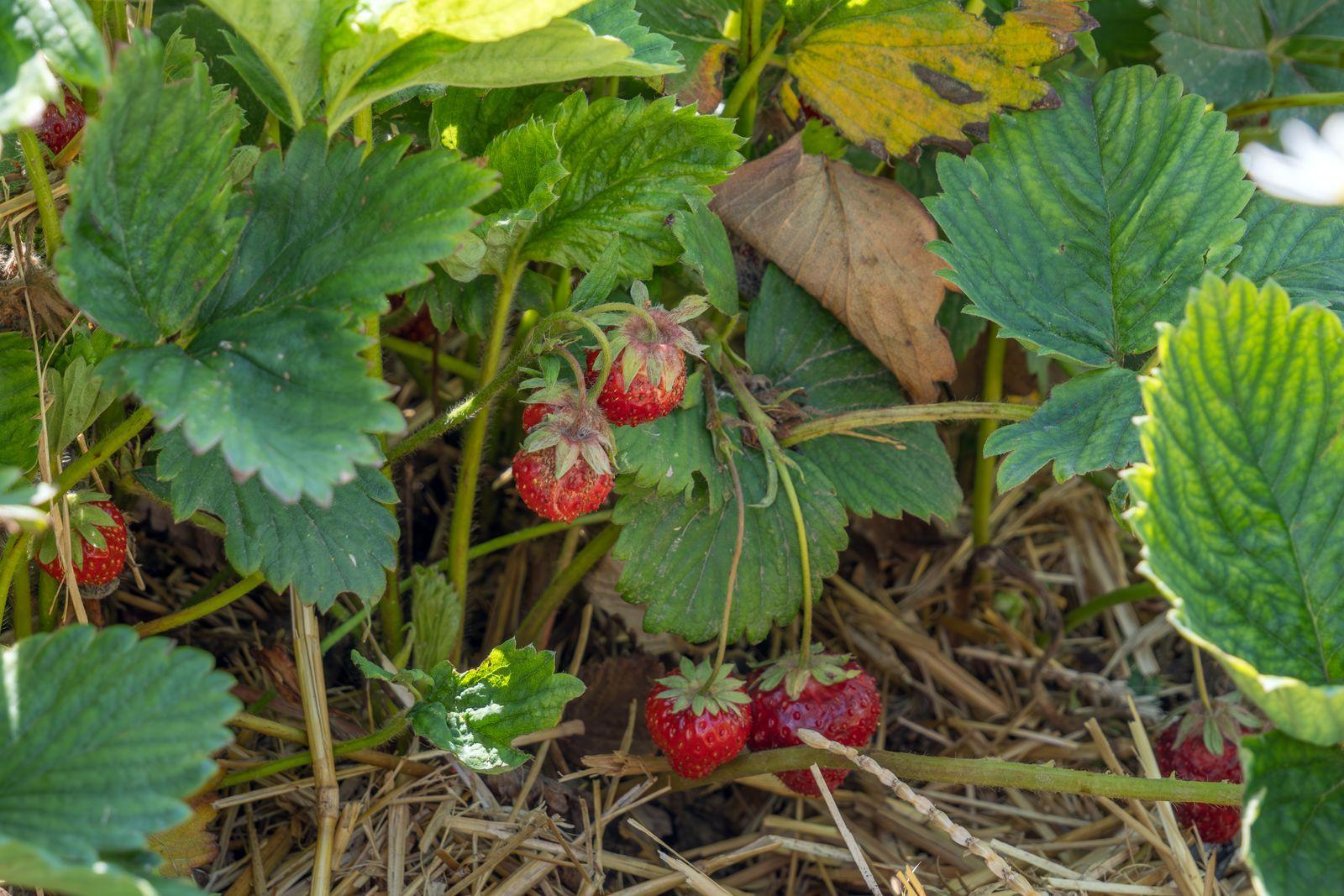
Straw, shredded leaves, cardboard or plastic: how to choose a mulch, how thick to spread it and why it pays to wait until the soil has warmed up.
Ruth Okafor · · 4 min read