Mulching the vegetable garden: when to do it and what to use
Straw, shredded leaves, cardboard or plastic: how to choose a mulch, how thick to spread it and why it pays to wait until the soil has warmed up.
Ruth Okafor · · 4 min read
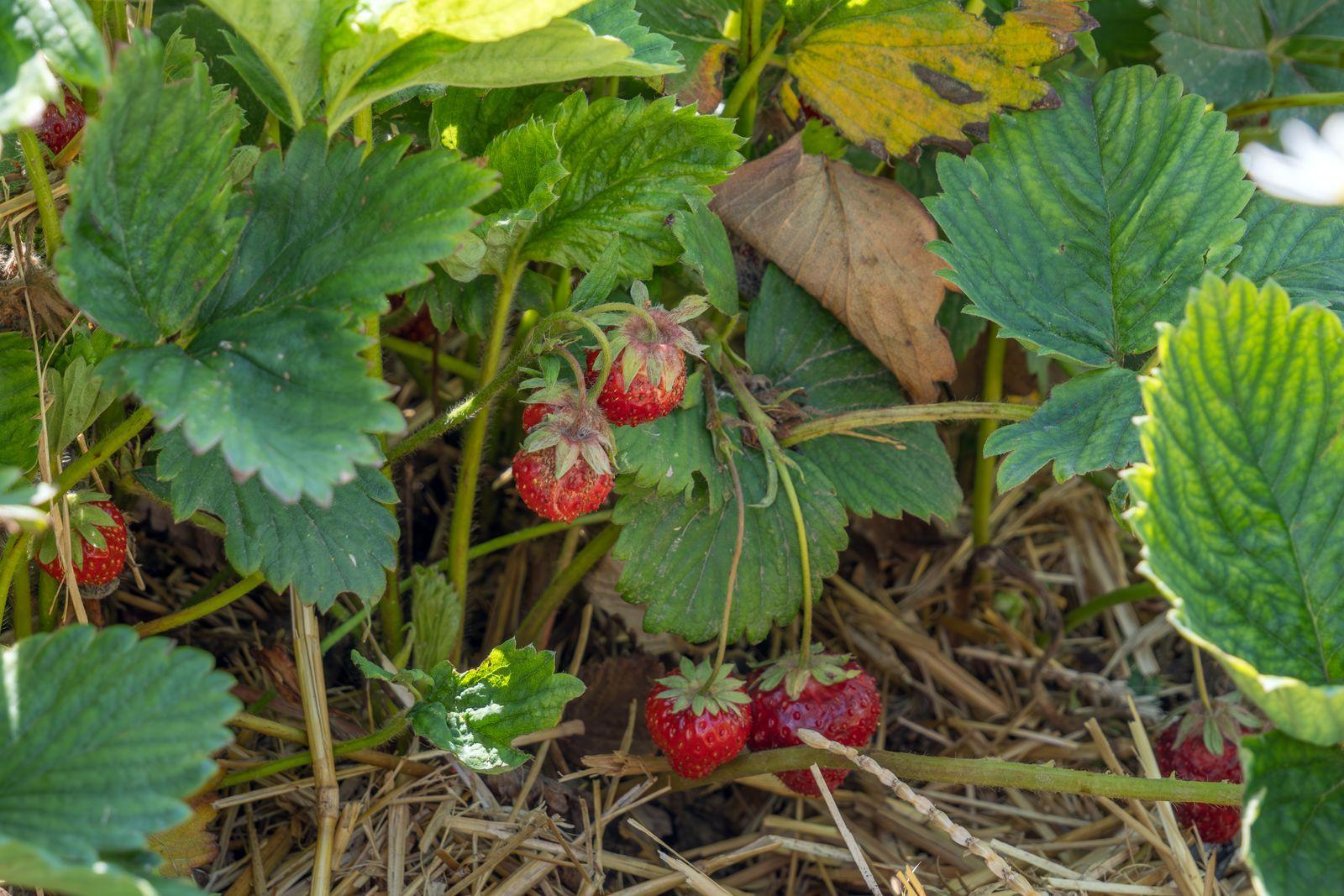
Mulching means covering the soil around your plants with a layer of material. Covered soil loses less water, doesn’t crust over after rain, stays cooler in summer and lets little light reach the weed seeds.
Timing matters as much as the material. Spread too early, mulch keeps the soil cold and holds back the very summer crops you want to get growing.
When to spread it
In zones 6–7, wait until late May or early June, when the soil has warmed and tomatoes, peppers, eggplant and squash have rooted in and started growing again. In warmer zones you can mulch two to three weeks earlier, and where summers are long and dry, a thicker layer pays off.
Spring crops are the exception. Peas, onions and spring lettuce can be mulched as soon as they’re well rooted: cool soil doesn’t bother them. Mulch strawberries before they flower, so the berries ripen clean and off the damp soil.
Before you mulch, pull the weeds and water deeply, or wait for a good rain: mulch holds on to the moisture it finds, it doesn’t create it. Where you’ve sown in rows, such as carrots and lettuce, wait until the seedlings are at least 3–4 inches tall.
Which material to choose
- Straw: the most practical. Spread it 3–4 inches deep; within a few weeks it settles to an inch or two. It keeps squash, melons and strawberries clean, and at the end of the season you can dig it in or leave it to break down where it is.
- Shredded leaves: free every fall. Shred them first by running the lawn mower over them: whole leaves blow around and mat down when wet.
- Grass clippings: only dried, in thin layers of about an inch at a time, and only from lawns that haven’t been treated with weed killer. A thick layer ferments and turns into a shelter for slugs.
- Cardboard: plain brown, with the tape and labels removed, covered with straw. It smothers weeds well in new beds.
- Compost: an inch around the plants feeds the soil, but doesn’t stop weeds.
- Wood chips: best on paths and around perennials and fruit trees; in vegetable beds they get in the way every time you sow or plant.
- Plastic: black plastic warms the soil and is useful for melons, peppers and eggplant; biodegradable film, made from plant starches, can be tilled in at the end of the season. Neither one feeds the soil, and rain gets through only at the planting holes.
Tip: Straw, not hay
Hay is grass cut along with its seed heads; straw is the stalks of a grain crop after the grain has been harvested. Mulching with hay means sowing weeds all over the garden. Ask for wheat or oat straw, and before you spread it, shake a flake over a tarp to check for seed heads.
A small square bale of straw covers roughly 50–100 square feet, depending on how thick you spread it. Buy it in spring, at a garden center or a feed store, and keep it dry until you need it.
How to spread it
Leave a ring of 1–2 inches clear around each stem: damp material against the stem encourages rot. If you use drip irrigation, lay the lines first and spread the mulch over them, so even less water evaporates and the tubing stays in the shade. Our article on drip irrigation covers the setup.
Perennial weeds such as bindweed, quackgrass and Bermuda grass push right through straw. Dig them out, roots and all, before you mulch, or put down a layer of cardboard first.
Through the summer, check the depth and top up wherever the straw has thinned out. In wet summers, watch for slugs, which shelter under a damp layer: take a walk around the lettuce in the evening.
What happens underneath
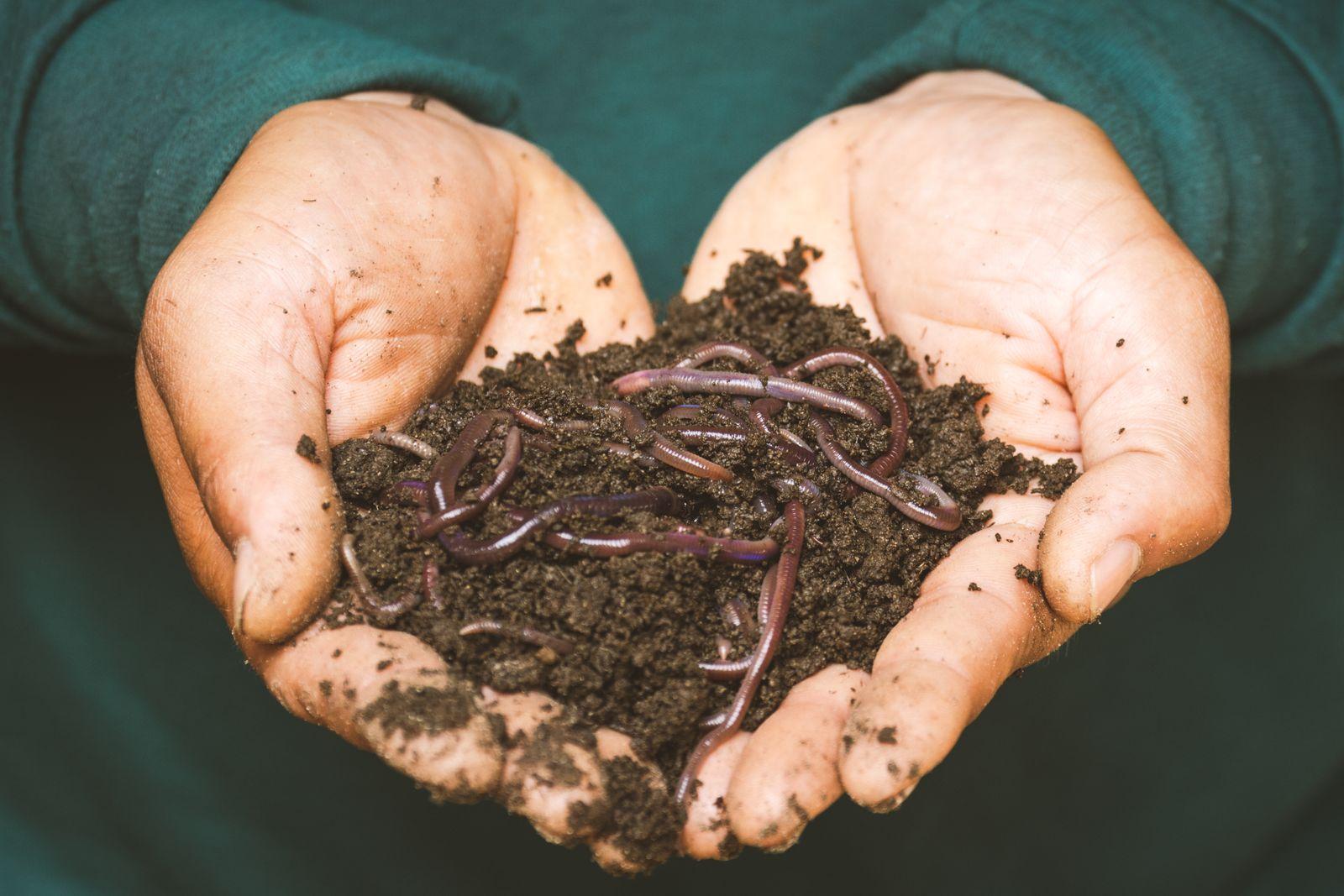
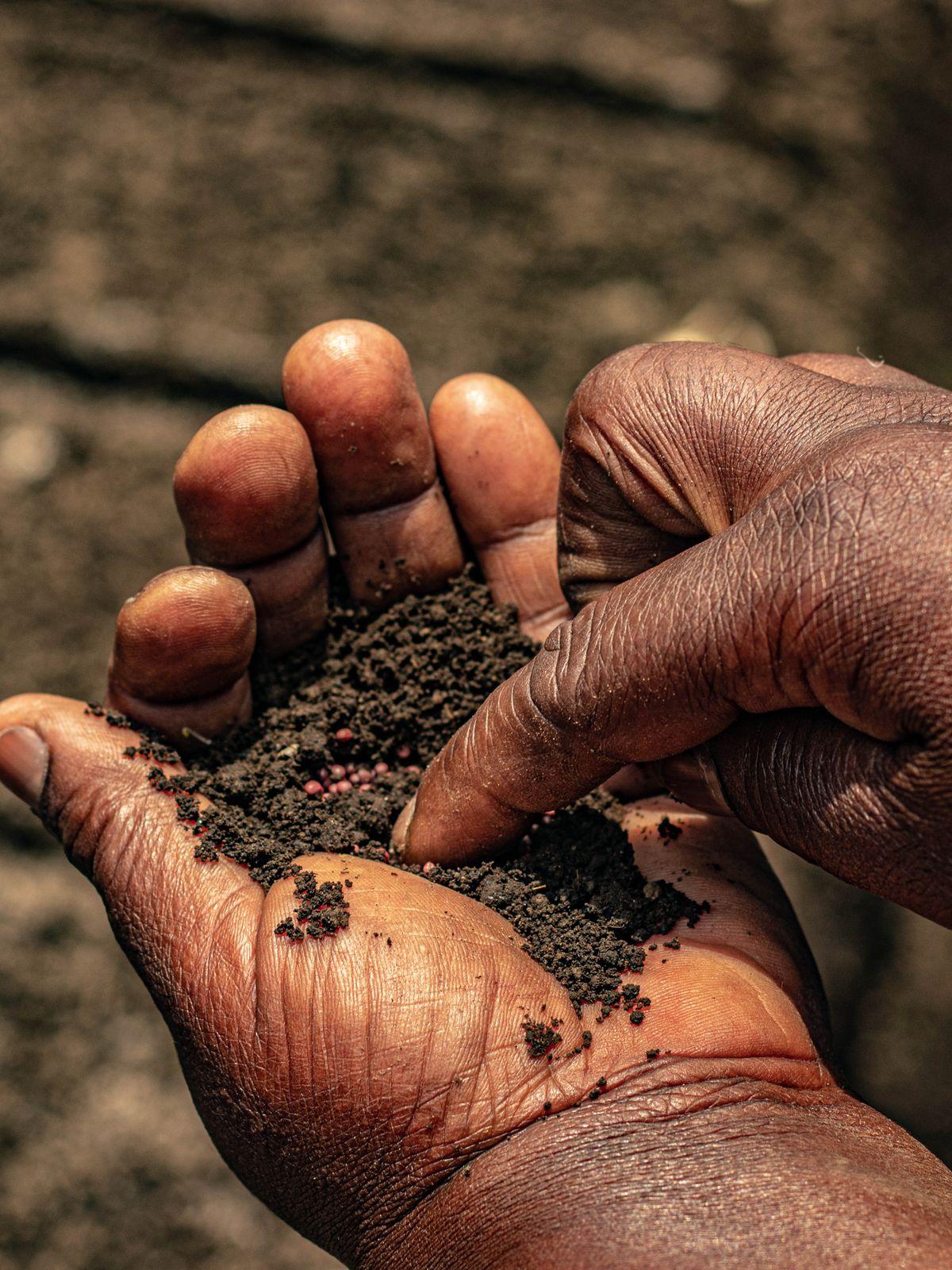
An organic mulch does more than cover. As it breaks down, it feeds earthworms, fungi and bacteria, which work the soil and make it looser and better at holding water. That’s why a bed mulched for a few years is so much easier to work, and why its organic matter percentage creeps up from one soil test to the next. If you want help reading your lab report, that’s what our Soil Test Review is for.
Straw and leaves left on the surface take very little nitrogen from the soil. The trouble starts if you dig large amounts in: the microbes breaking them down borrow nitrogen from the soil, and the next crop turns yellow. If you want to turn the straw under at the end of the season, add some compost or aged manure along with it.
In a no-till garden, the mulch stays on the beds all year: the soil is never dug, never walked on and never left bare. Each fall the beds get a fresh layer of compost and leaves, and new plants go in by pulling the mulch aside.
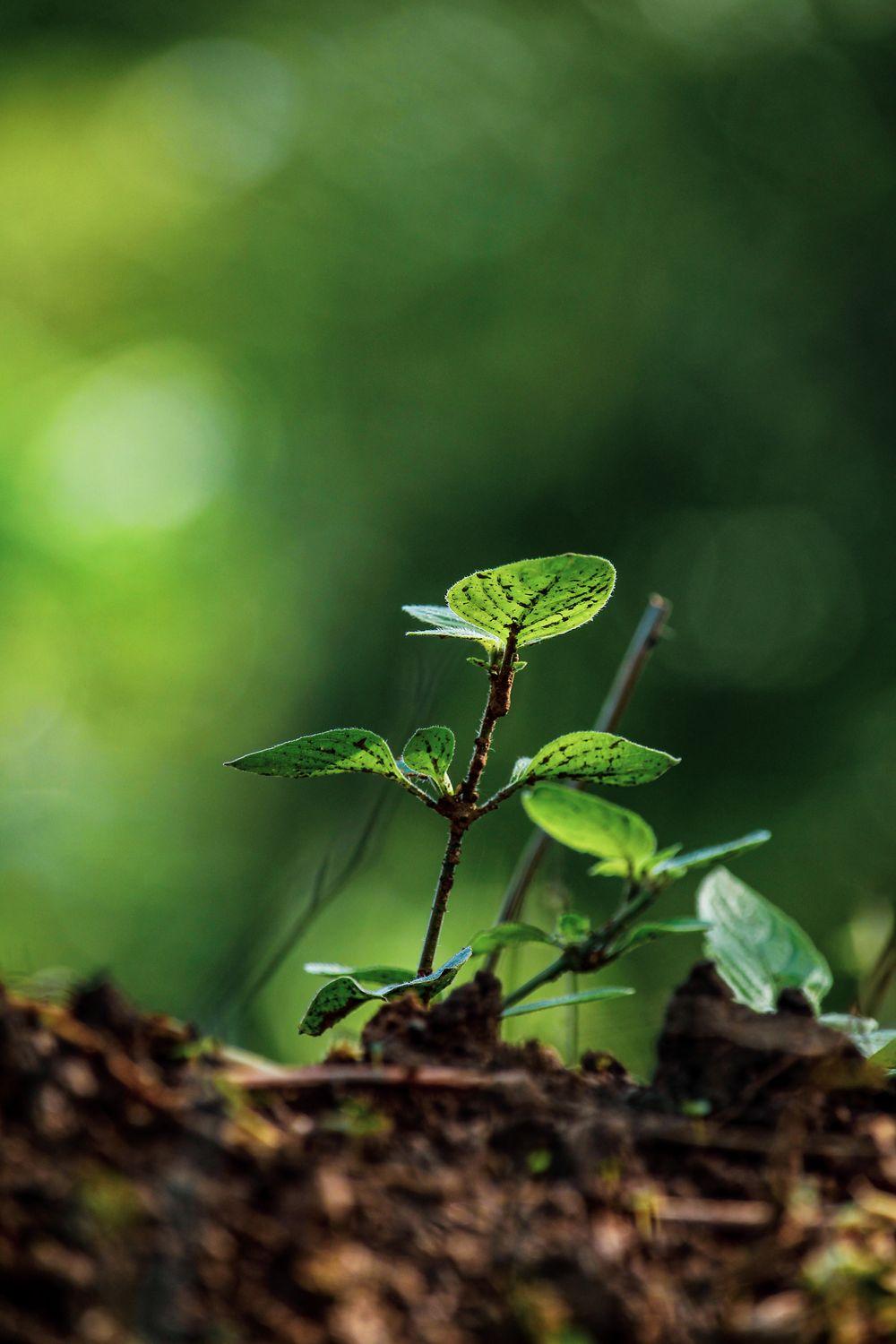
Masterclass · 7 hr 7 min
Living Soil Masterclass
Test your soil, then rebuild it with compost, mulch, cover crops and no-dig beds
$420
In fall and winter
At the end of the season, don’t rake the straw away: leave it on the empty beds and add the leaves as they fall, so the soil goes through the winter protected from pounding rain. Between rows of fall crops such as spinach and lettuce, a light layer of 1–2 inches protects the soil without smothering the plants; garlic gets a thicker blanket once the ground starts to freeze.
In early spring, rake the mulch to the sides of the beds so the sun can warm the soil before you sow and transplant. Then pull it back around the plants as they take hold: in April for spring crops, in late May or June for summer ones.