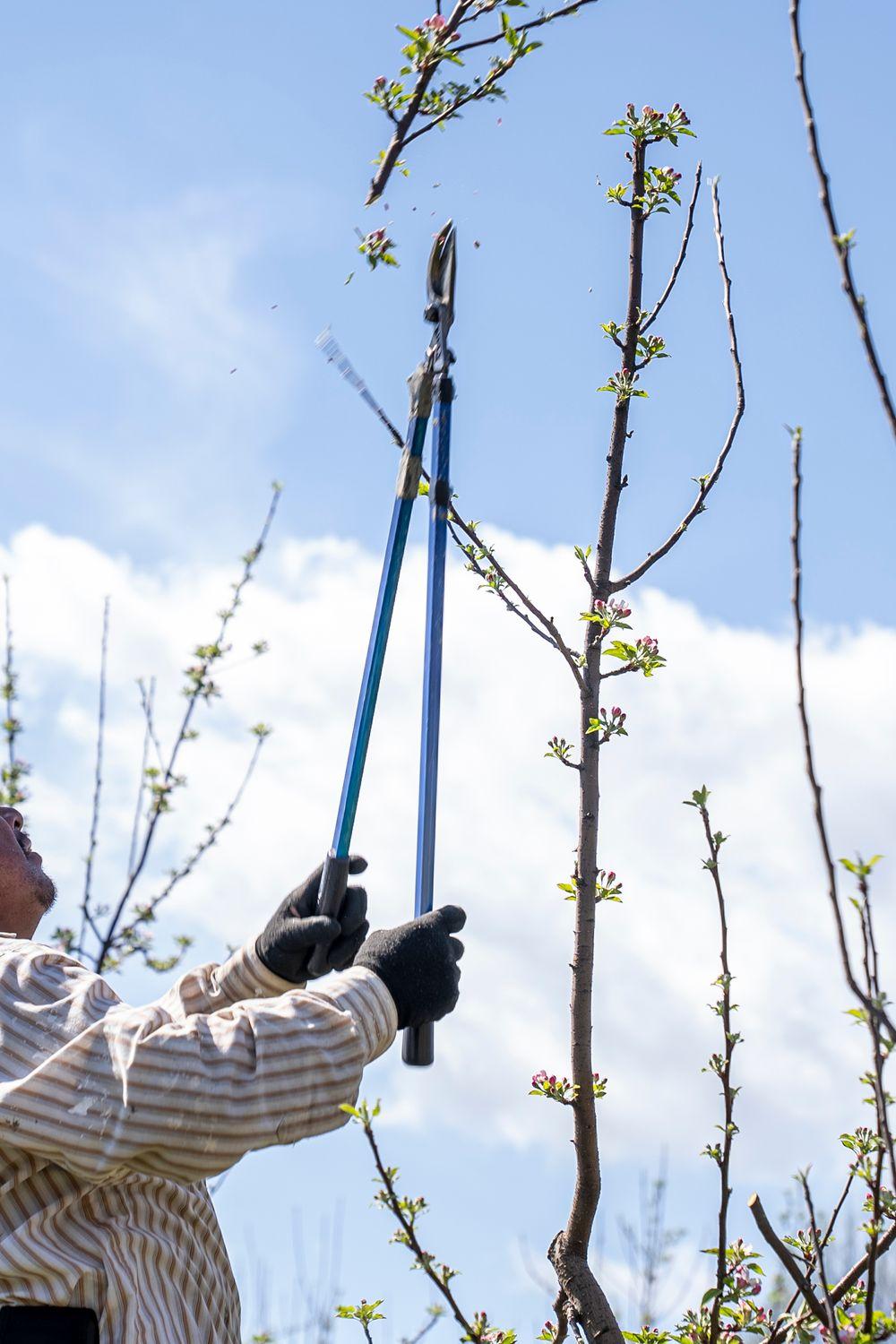
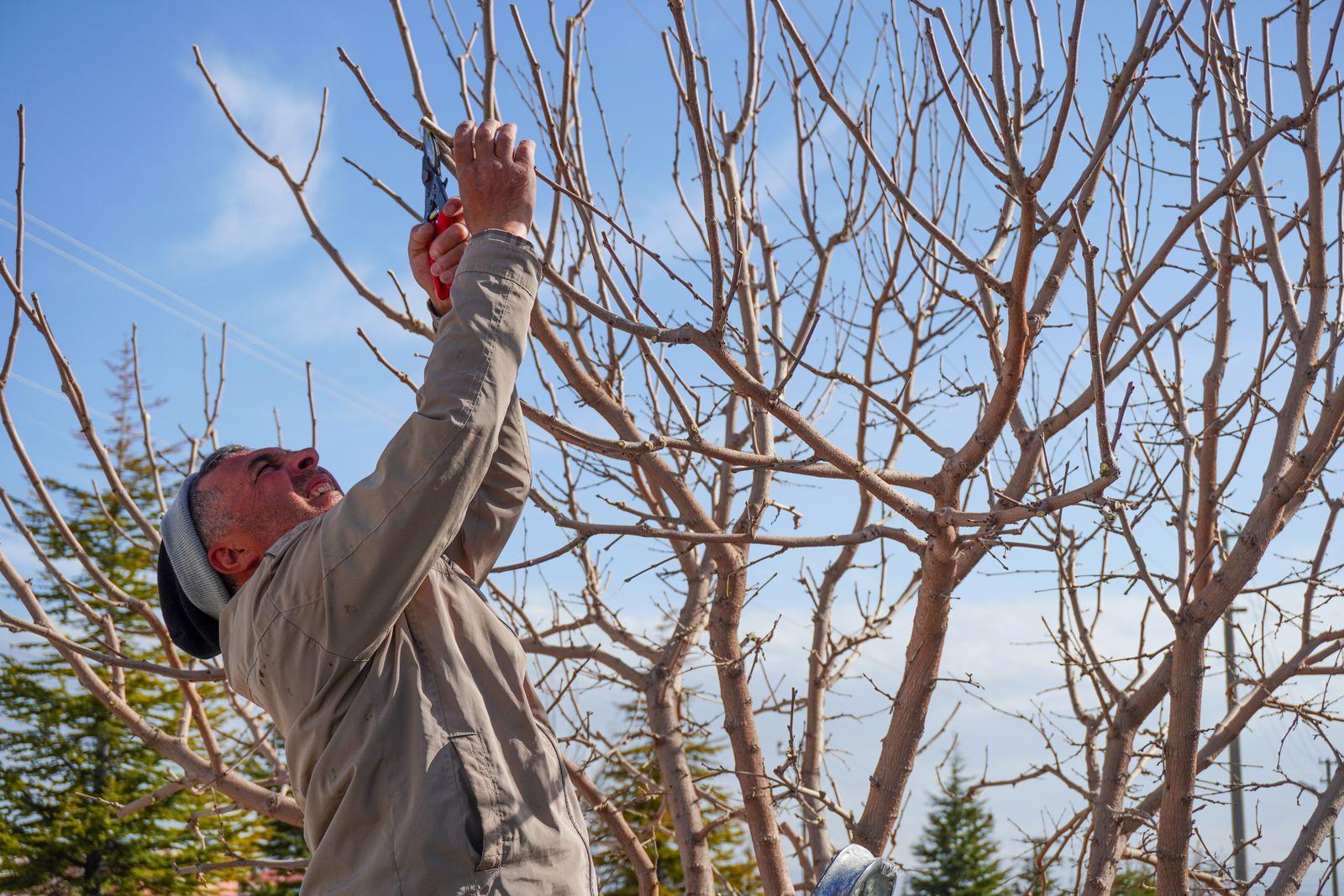
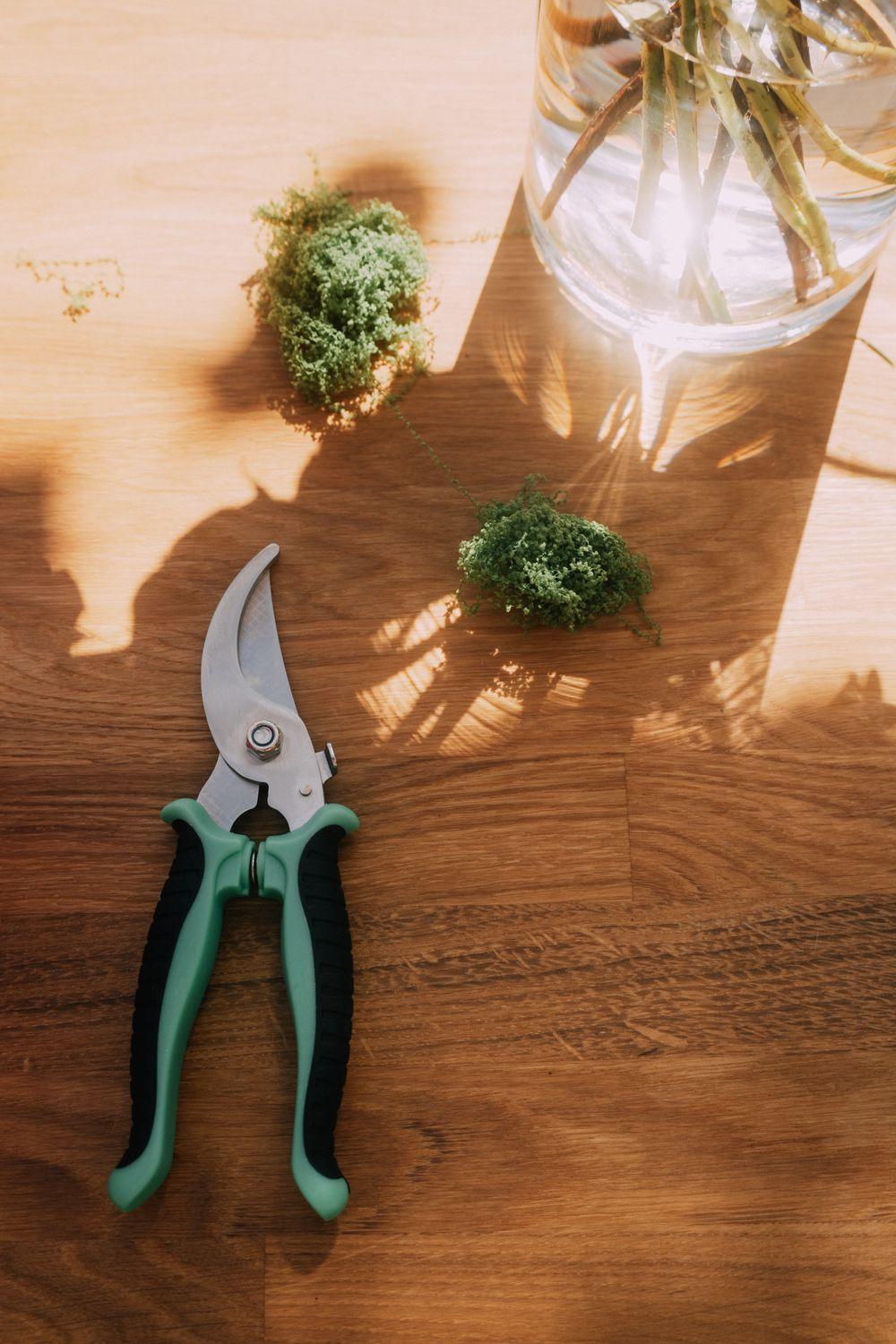
Backyard fruit trees are commonly pruned too hard, too often or at the wrong time of year, and they answer with a thicket of water sprouts and a crop every other year. In this masterclass orchardist Thomas Whitaker prunes real trees on camera and explains each cut before he makes it: where the fruit forms, which cut to use and how much the tree can lose in one season.
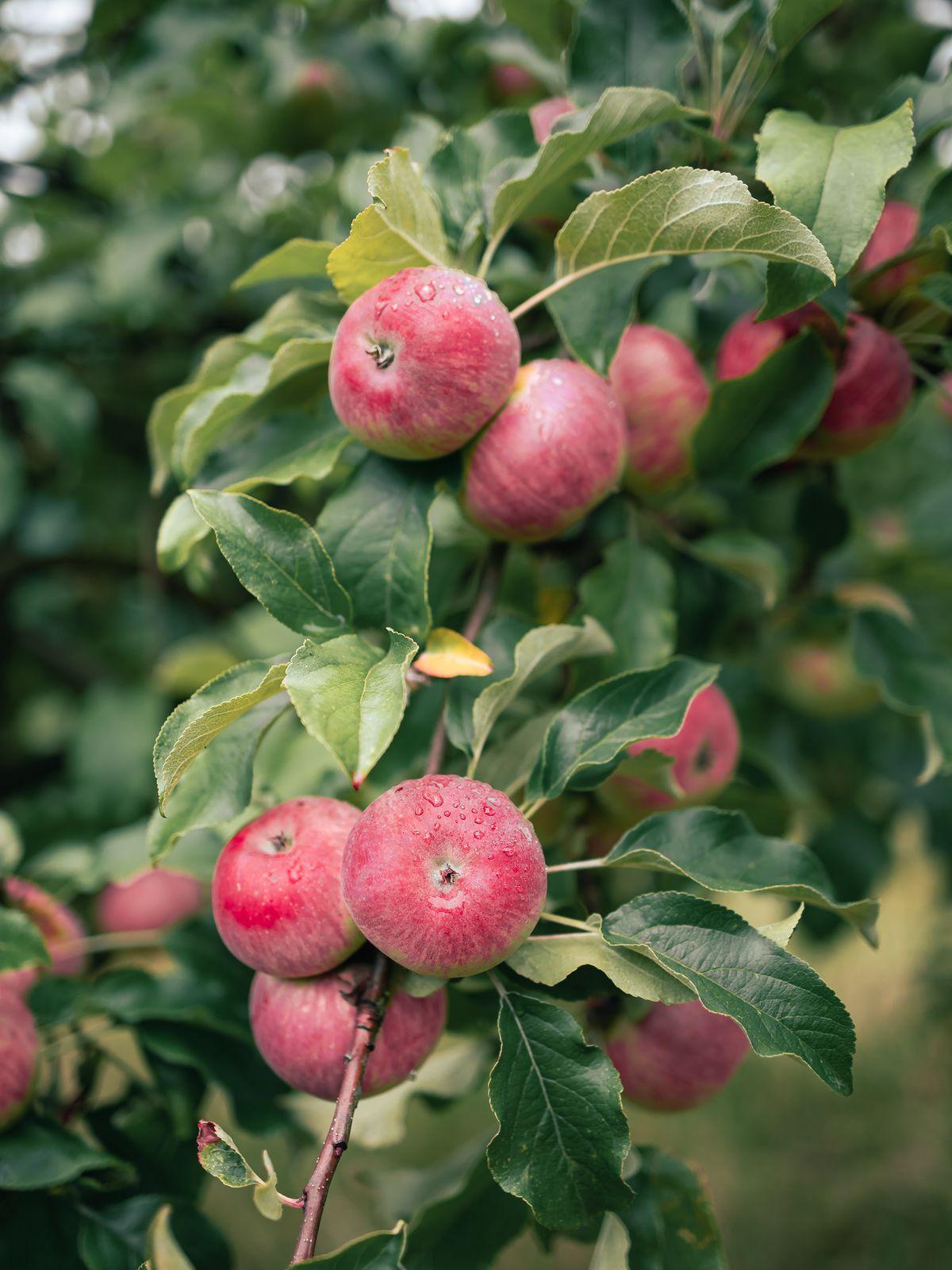
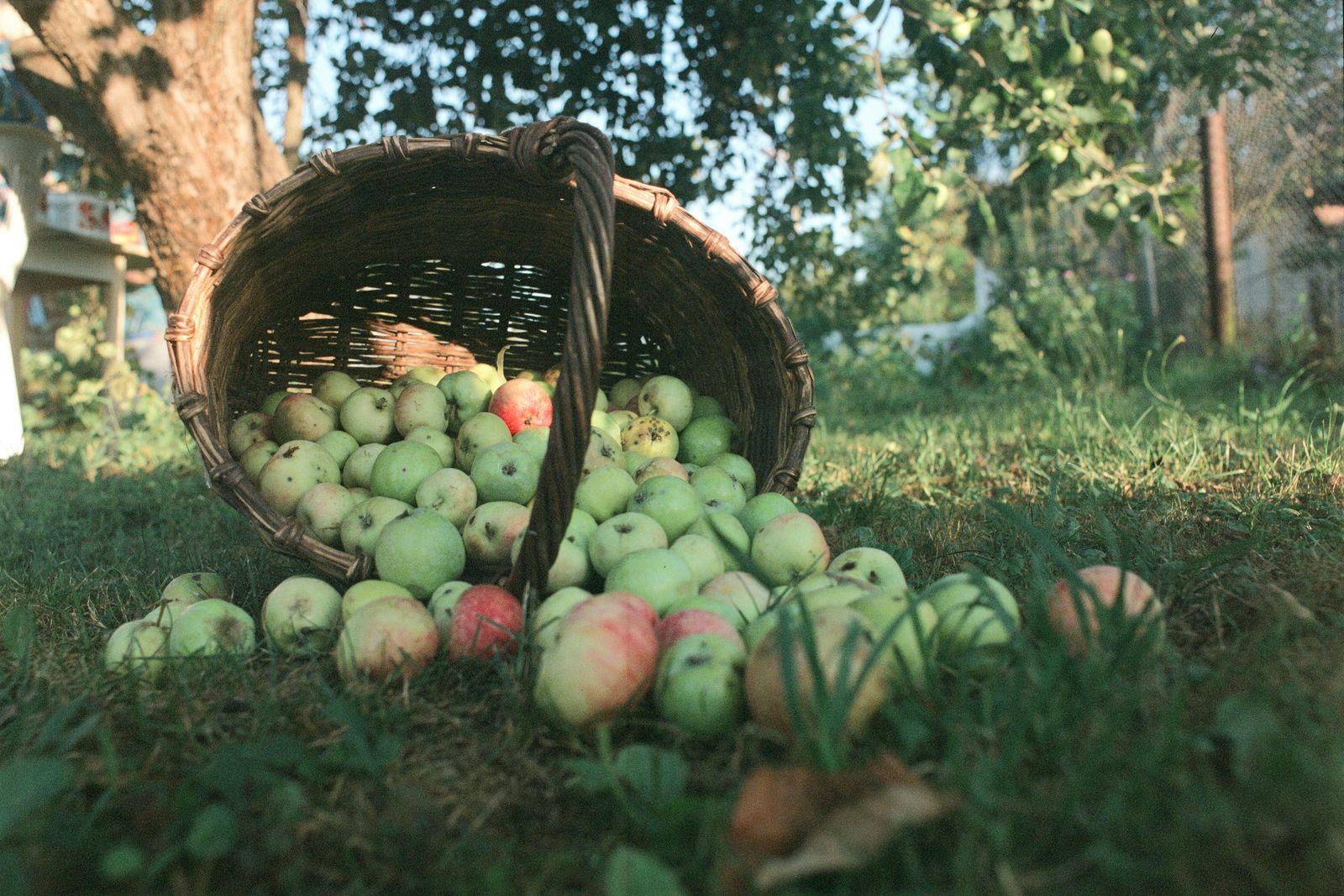
The lessons were filmed over two dormant seasons and one summer in home orchards in Oregon’s Willamette Valley, with the citrus shot in a Southern California backyard. After tools and the basic cuts, the course goes species by species: mature apples and pears in winter, peaches renewed on new wood every year, cherries and apricots pruned in summer to limit canker and dieback, figs cut back by frost, lemons grown too tall. Further modules cover training young trees to a central leader or an open center, and the basics of espalier, from wiring a fence to summer pinching.
Pruning is slow to show results, and the course says so. A neglected tree takes about three winters to bring back, filmed here on a 40-year-old apple, and a young tree’s shape is set over its first three or four years. Pruning can’t make up for poor soil, disease or a variety that doesn’t suit your climate, and large limbs high in the canopy or near power lines are work for a certified arborist, not for a ladder.