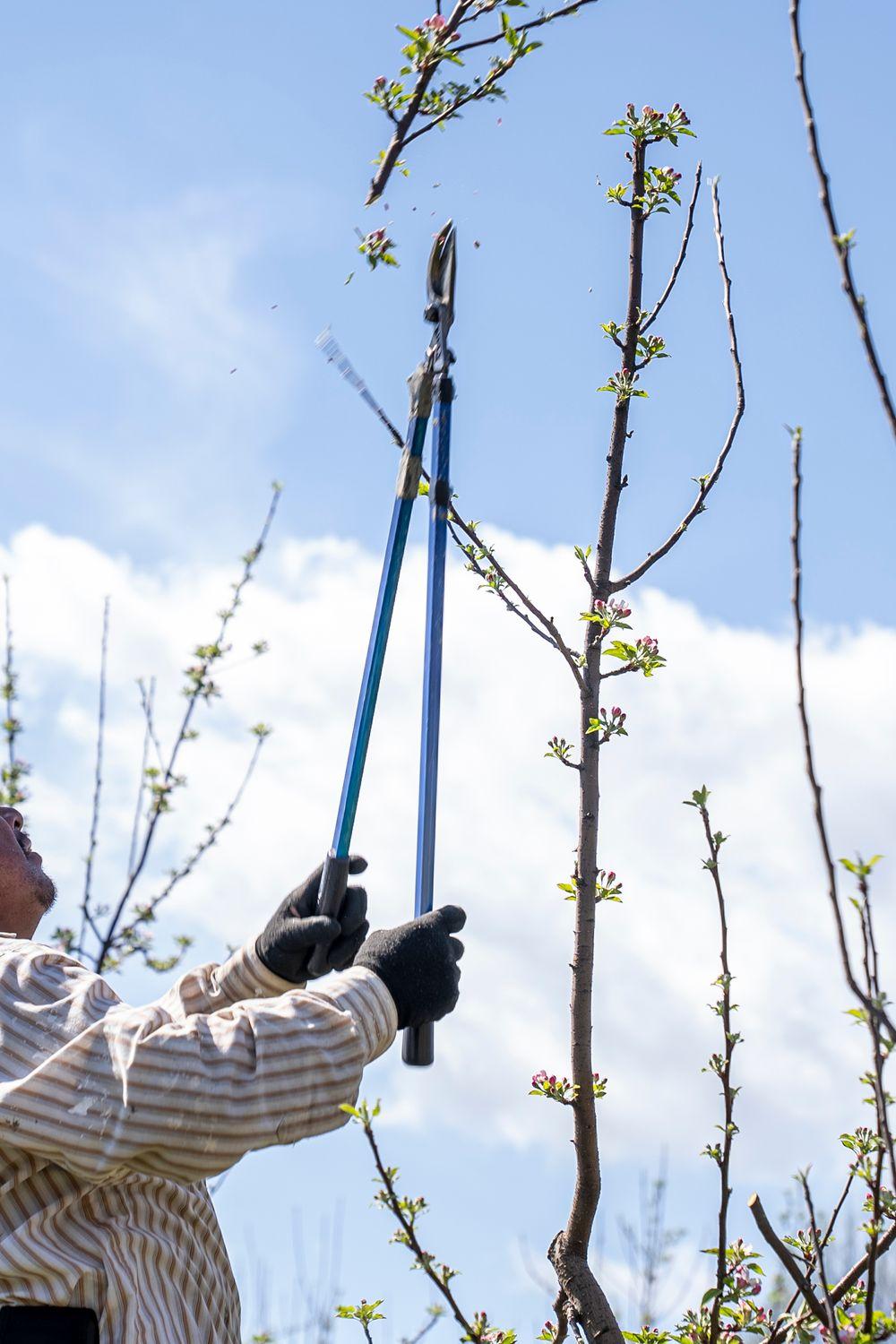
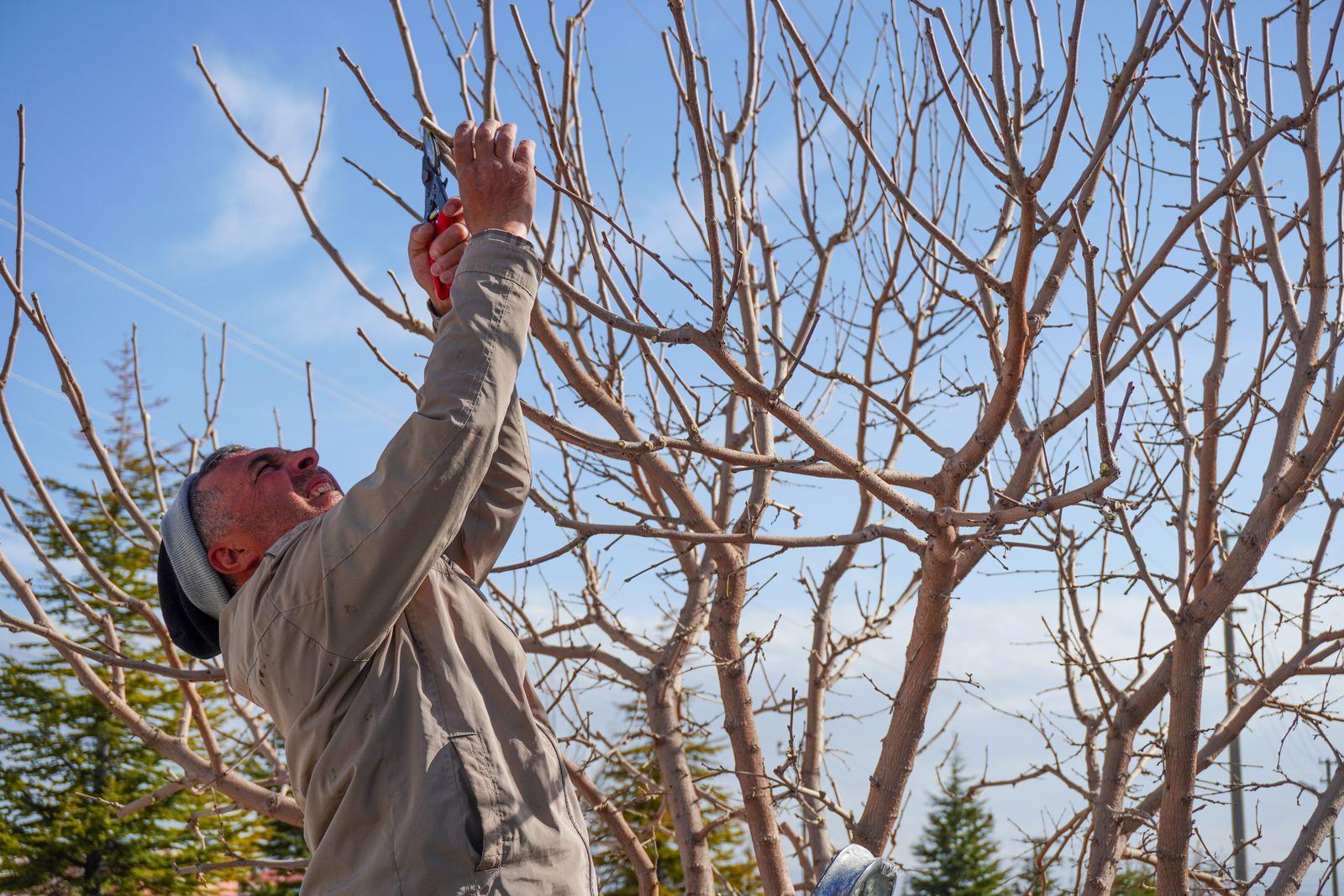
Two Saturday mornings with orchardist Thomas Whitaker, who prunes home and heritage orchards in Oregon’s Willamette Valley. He prunes apple, pear and plum trees live from the orchard, explaining each cut before he makes it. Then he works through photos of participants’ own trees, drawing on screen where he would cut, and where he would leave the tree alone.
The first session is about apples: how to read a tree before touching it, heading cuts versus thinning cuts, where the branch collar is, and why cutting every branch back, the most common mistake, gives you a thicket of water sprouts and fewer apples. The second covers pears, which grow upright and need their branches spread, and plums, where the big cuts wait for dry weather or summer because bacterial canker gets in through wet winter wounds. Throughout, Thomas works to one rule: take off no more than about a quarter of the canopy in a year.
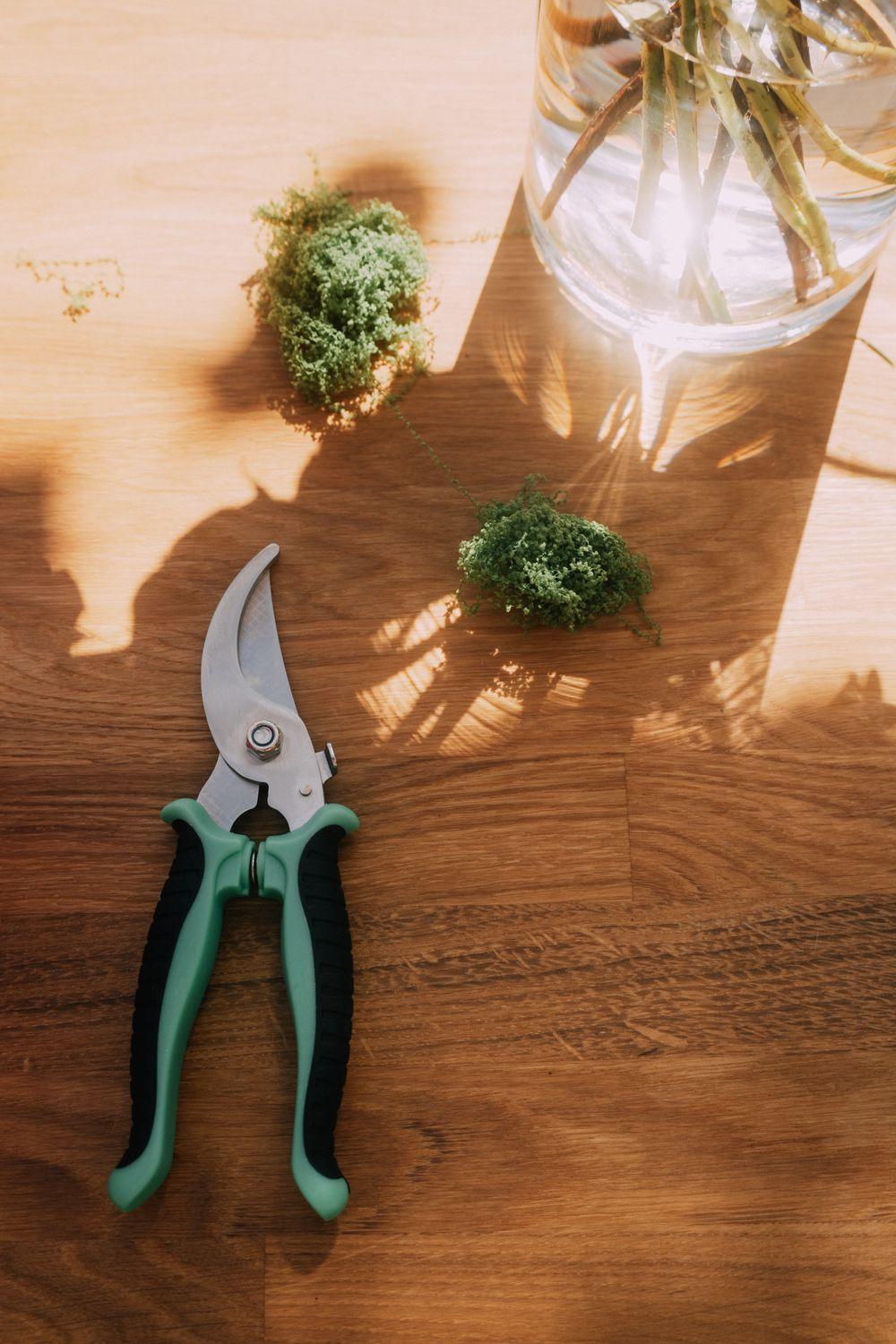
That rule is why a neglected tree takes three winters to bring back, not one, and the clinic shows how to spread the work. Peaches, cherries and citrus are pruned differently and aren’t covered in depth. You don’t need to own tools yet: Thomas shows which ones are worth buying, starting with a good pair of bypass pruners and a folding saw.