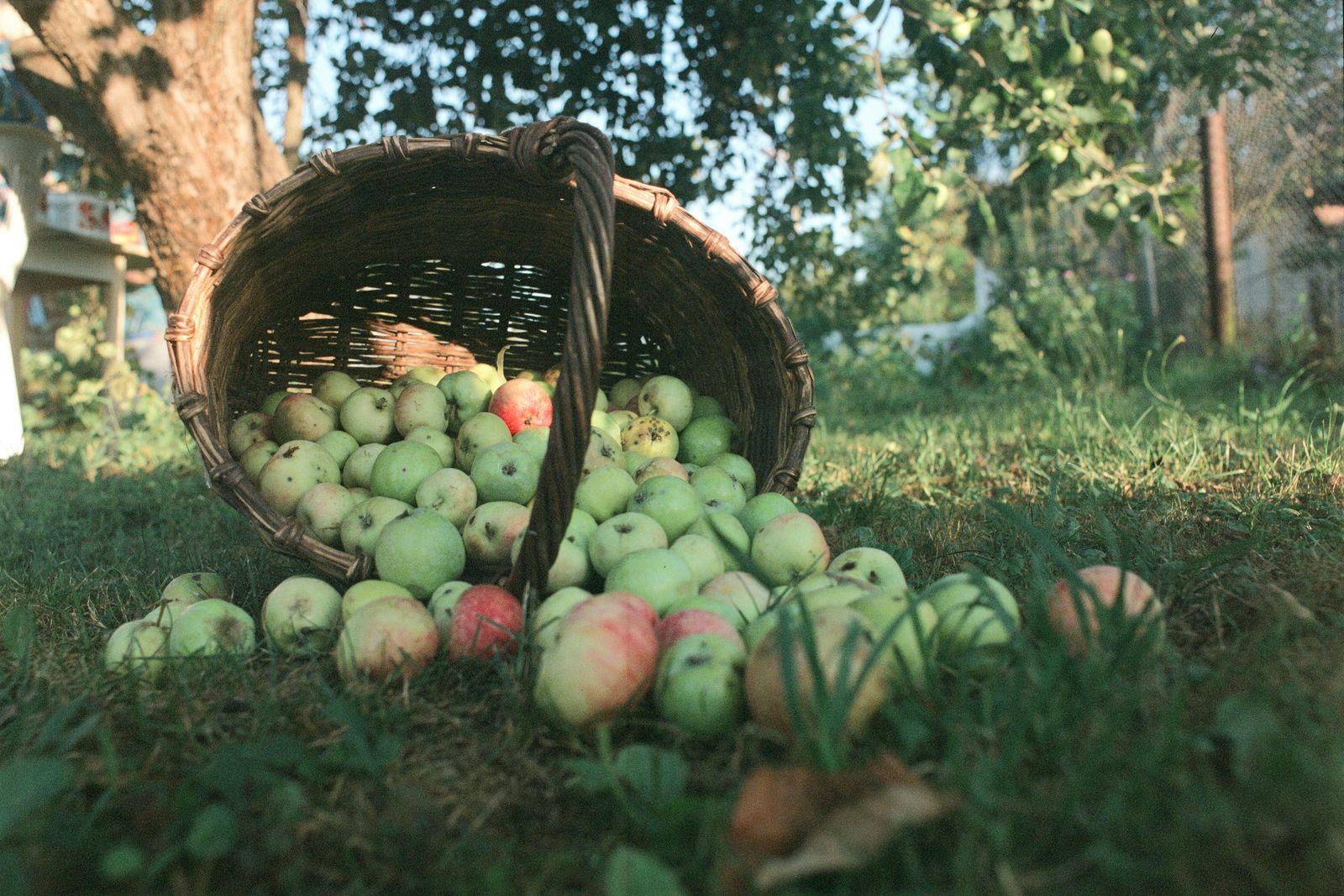
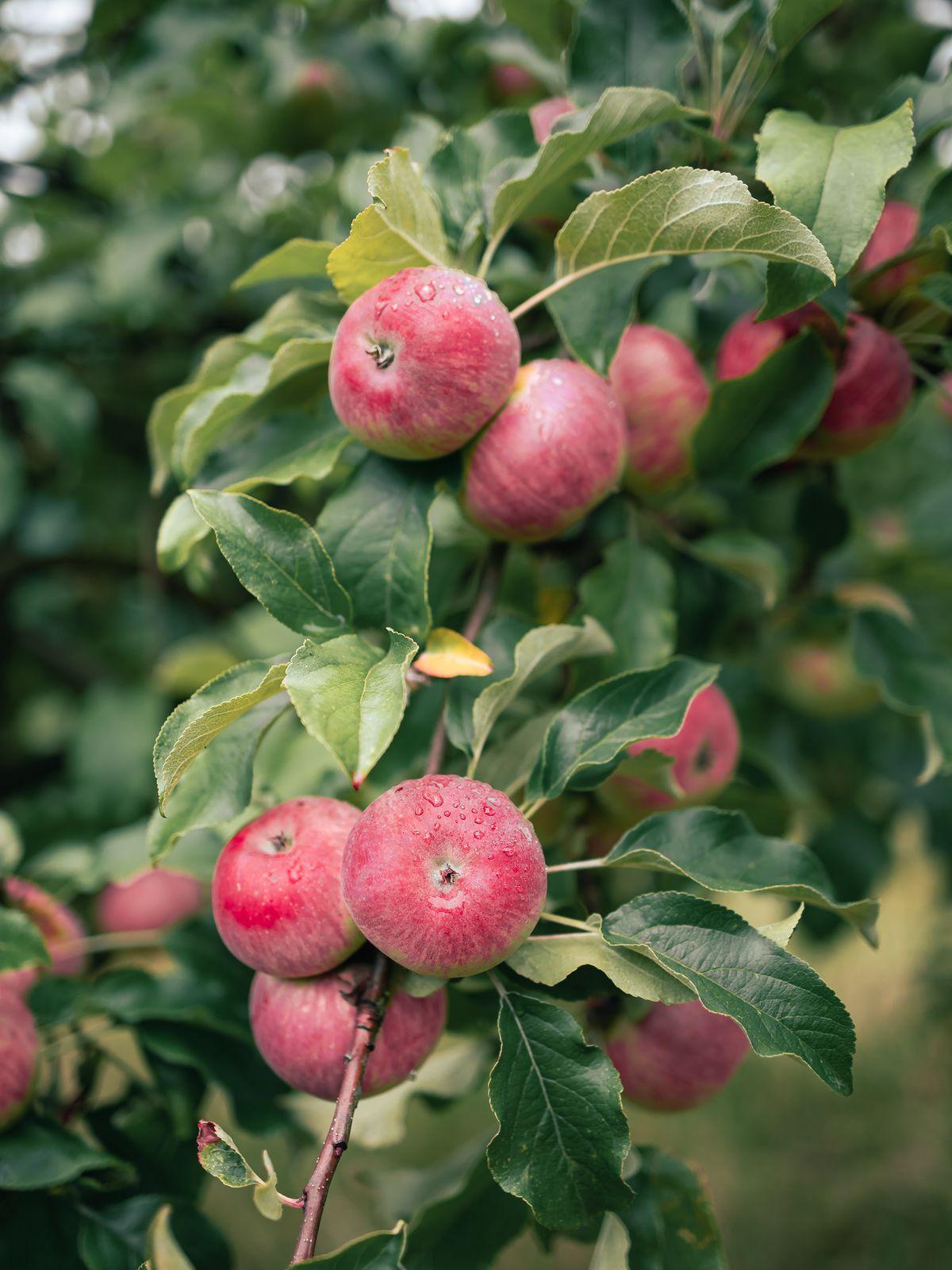
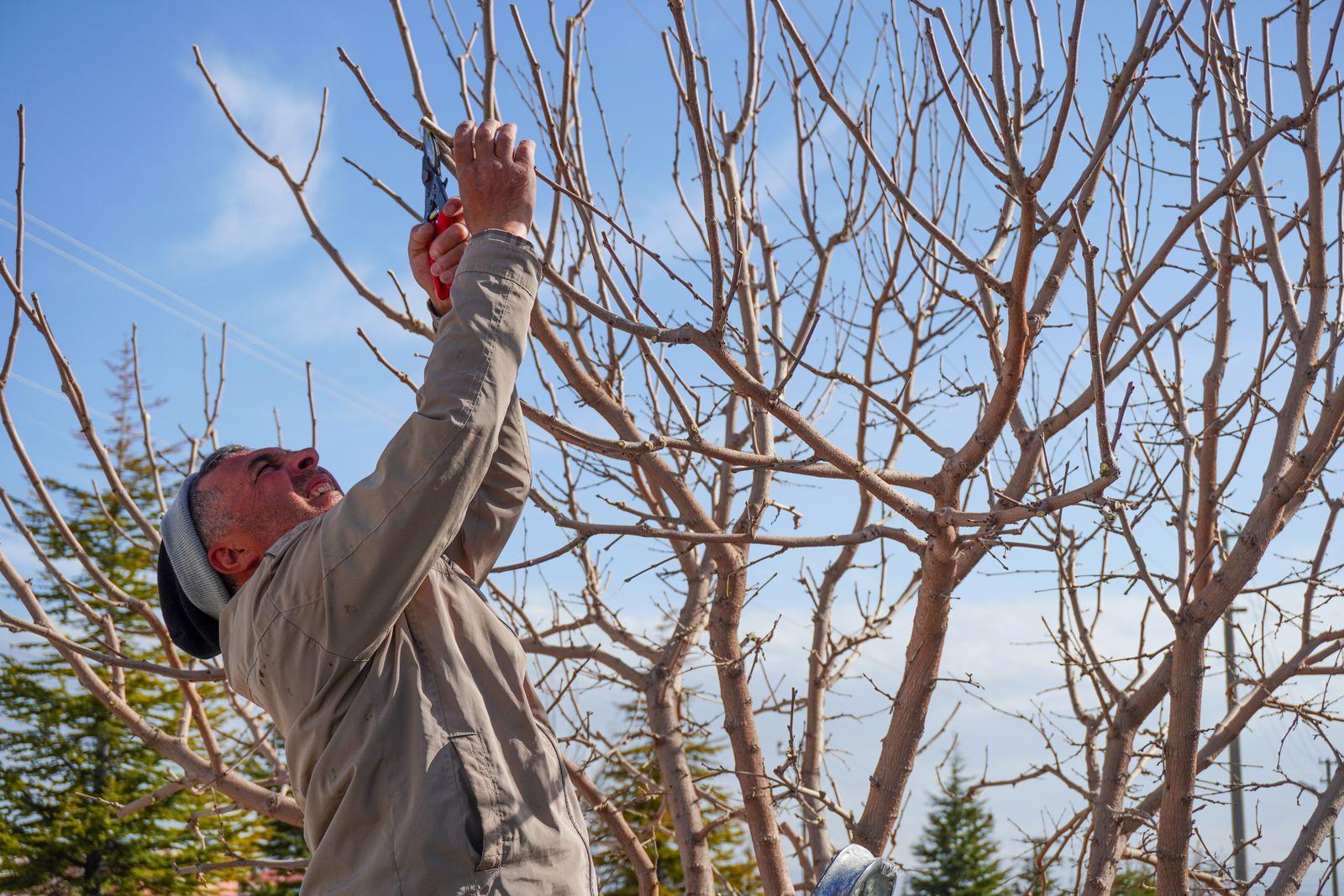
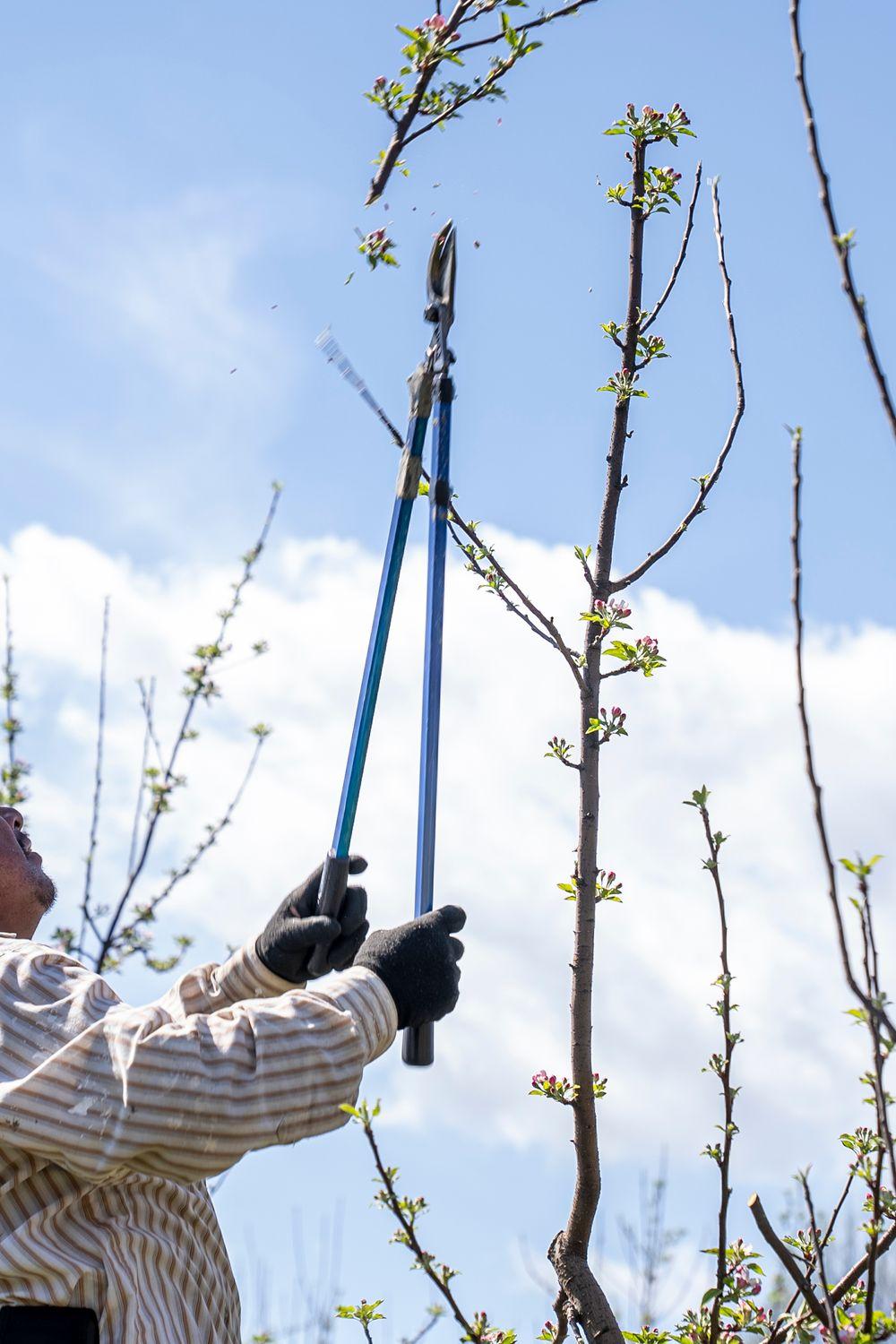
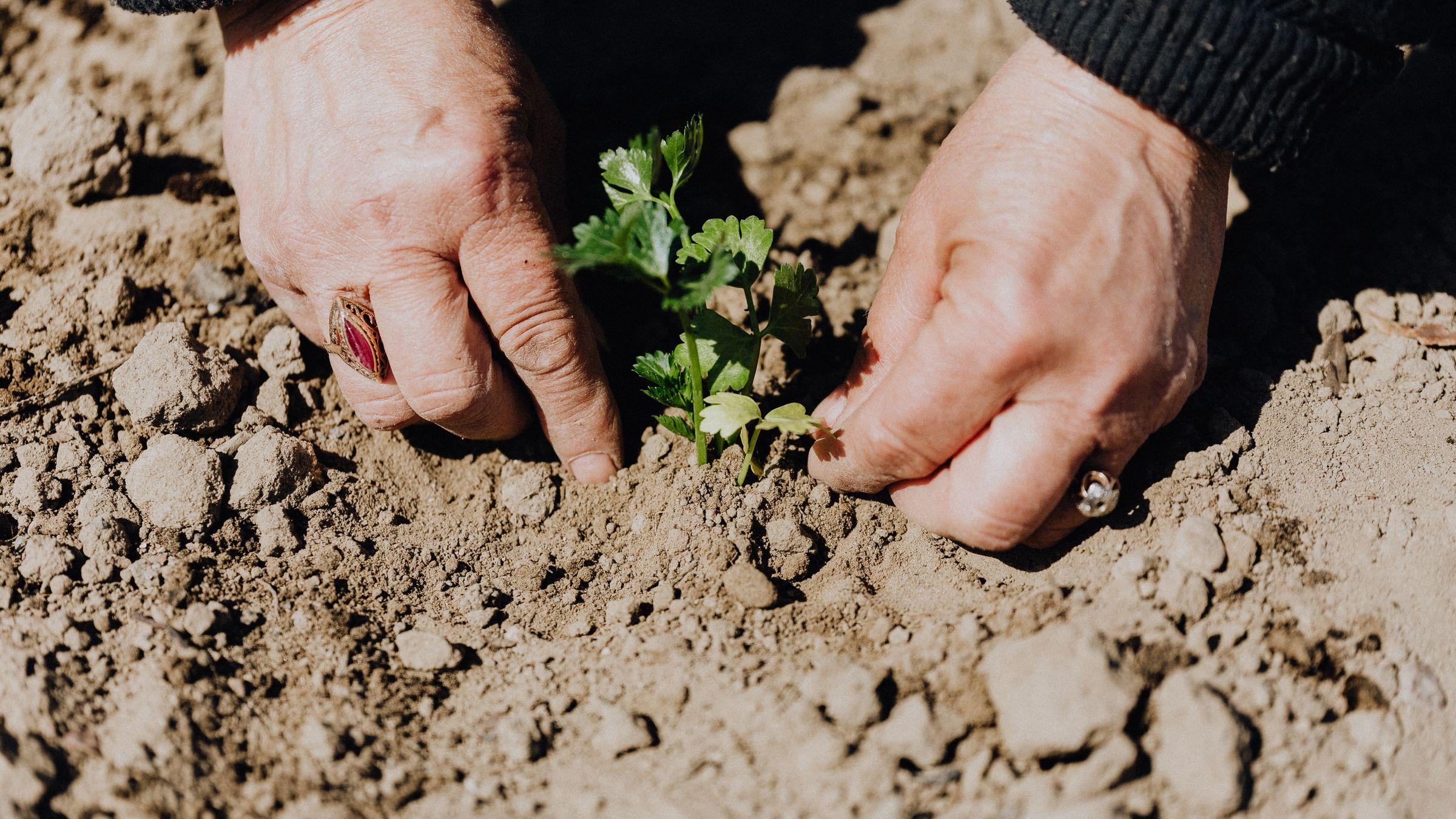
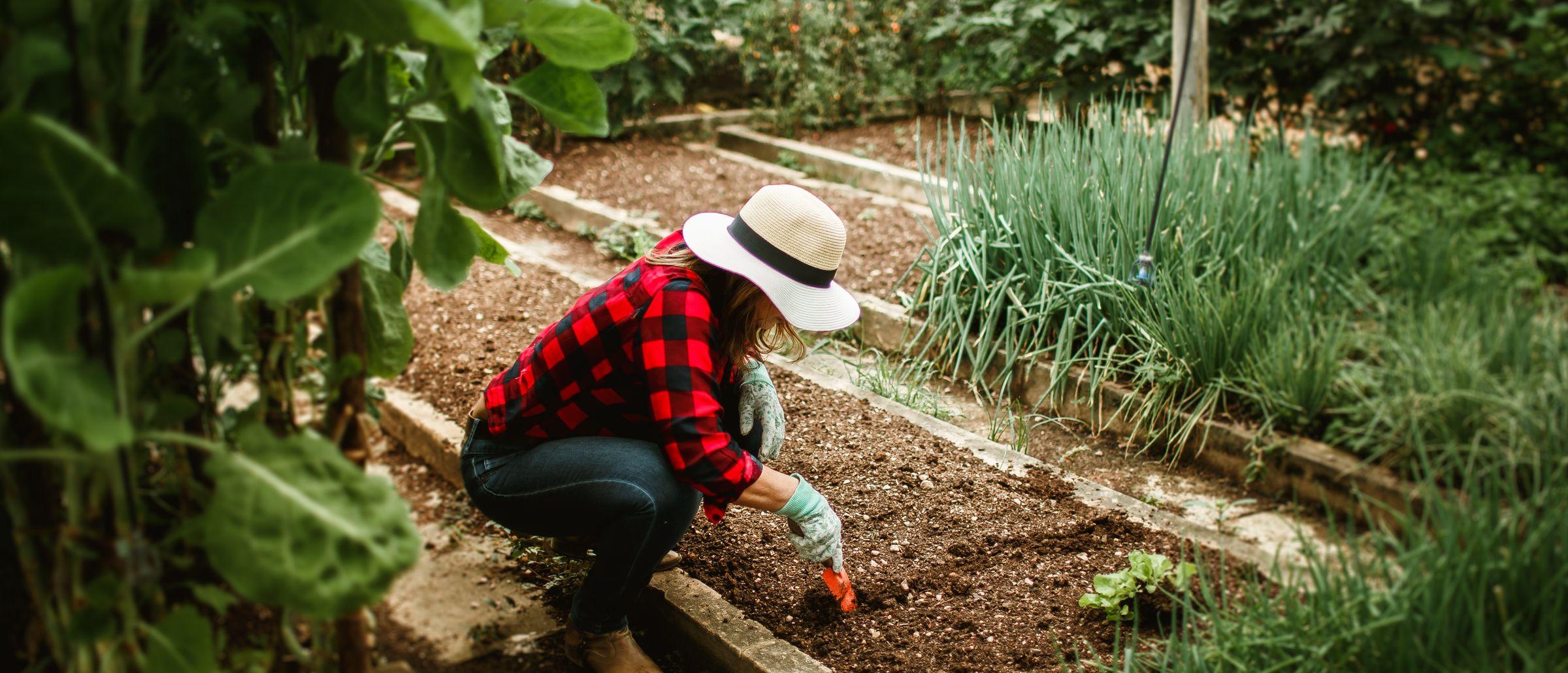
A fruit tree planted this winter can still be bearing in thirty years, or failing slowly because of a choice made on the first day. The Home Orchard takes those choices in the order they come: which trees suit your climate and chill hours, which rootstock gives a tree you can manage, and how to plant, train, prune, thin and protect it until the fruit is in the basket.
Thomas Whitaker writes from the home and heritage orchards he prunes in Oregon’s Willamette Valley, with notes for colder and hotter regions throughout. The book covers apples, pears, Asian pears, peaches, nectarines, plums, cherries, apricots, figs, persimmons and quince, with a shorter chapter on citrus. Tables give chill hours, pollination partners and final tree size by rootstock; line drawings show every cut and training stage; and 90 variety profiles list zones, bloom group, disease resistance and harvest window. A month-by-month calendar pulls it together, from planting bare-root trees in winter to the last apples picked in November.
Where a spray is the sensible answer, such as dormant oil for scale or copper for peach leaf curl, the book says so, with timing and label limits. But it starts with the cheaper fixes: the right variety, good airflow, clearing fallen fruit and bagging young apples. It’s written for a handful of trees in a yard, not a commercial block.